Taiwan A-Z
A is for ADIZ 防空識別區:遭雙重侵蝕的實體防線與認知防線

前言
在我們進入台灣「防空識別區」與「台海中線」的歷史與現況之前,必須先拿掉人為的「大一統」意識形態近視眼鏡,搭乘現代版「小獵犬號」縱觀這座島嶼與東亞大陸之間,硬體的不同與系統的演變。因為如今的台灣,不只是代表主權的防空識別區遭到侵蝕,島民意識上的防線,也正被中共透過共享的漢文化代碼進行「木馬」攻擊。
台灣運行「開放海洋作業系統」
從「小獵犬號」直上雲霄俯瞰這座島嶼,會發現台灣以物理屬性來說,並非東亞大陸內陸平原的跨海延伸,而是在原始地函力量的驅動下,將一片動態地層直接從深邃的大洋底層托舉隆起,最終形成一座以縱向山脈為脊梁的立體島嶼。
這場板塊運動的地質基因,從一開始就賦予這座島嶼相對獨立的物理與生態環境——這是一座由歐亞與菲律賓海板塊擠壓鑄成出高山屏障、以及黑潮洋流縱向對流所構成的「獨立主機」,與東亞大陸之間相隔一道「天險」台灣海峽。
島上兩百多座逾三千公尺的高山,賦予這座島嶼「分散式邊緣運算」的防禦特質——它們能對任何跨海而來的外來異質代碼進行重寫、解構與在地化的異質整合。
同時,島上碎形且瞬息萬變的天災,使各個地方本身就必須具備高度的橫向自主修復力,從日常就不斷自然地稀釋掉縱向的中央集權。
位在海上、整體四面開放,內部地形又破碎分散的硬體特質,讓這座「獨立主機」自誕生以來,就運作著一套隨洋流、海風動態調度,具備高度適應韌性且自主更新的「開放海洋作業系統」。
大陸運行「秦制大一統天朝系統」
東亞大陸則非常不同,其大平原地帶在地理上是一塊極其廣闊、缺乏地形屏障的連綿陸地。在這種沒有天險的開放平原上,只要有一支強大的騎兵或步兵軍團,就能以極快的速度橫掃整個平原。
缺乏地形屏障意味著「割據」非常困難,任何地方政權都很難靠地形長久固守。這導致「非全勝,即滅亡」的零和博弈——不是統一整個平原,就是被別人統一。這種地理硬體天生就驅使政治系統朝向「大一統」演化。
而黃河流域屬於強烈的季風氣候區,降雨高度集中在夏季,且黃河含沙量極高、極易改道與氾濫。這讓水資源與洪水、旱災都呈現大範圍、高強度、跨區域的特徵。單一村落或小型城邦根本無法獨自修建動輒數百公里的防洪堤坊,也無法獨自完成龐大的灌溉工程。
這催生出「水利專制主義(Hydraulic Despotism)」,為對抗大規模水患與進行大規模灌溉,社會必須建立一個能夠跨區域徵調數十萬勞力、嚴密控制物資與人口的強大中央集權官僚體系。秦制(商鞅變法)的核心——將全體農民編戶齊民、動員為水利與戰爭機器,正是這種治水硬體需求的極致結果。
同時華北平原以黃土高原沖積而成,土壤肥沃但生態系統高度單一,極度依賴穀物種植。因為生態多樣性低,抵禦自然災害的韌性就差,為了在災荒年份維持生存,必須維持極致的糧食控制,系統因此必須建立龐大的倉庫存糧、常設軍隊、與全國性的稅收統籌機制。這進一步強化了「中央將所有社會資源抽乾、再由皇帝進行家父長式再分配」的秦制邏輯。
加上東亞平原的北方,是廣袤的蒙古草原與乾旱帶,形成全球最鮮明的「農牧交界線」。為抵禦游牧民族騎兵的南下襲擾,平原政權因此走向「軍國主義」,除了必須動員全國之力以修築長城,還必須保持龐大的常備陸軍。
「秦制」的特點,就是將整個社會改造為「耕戰體制」,強調「集體凌駕個人」,把個體尊嚴完全壓碎,將全體社會個體極致工具化,以換取帝國的極權動員效率。
而為了穩定這個被死死綁定在土地上、無法自由流動的龐大農耕群體,這套系統進一步開發出「儒家宗法尊卑制度」,用以規範基層的生育單元與內部秩序。
這正是漢文化底層那套「秦制尊卑大一統天朝」代碼最根本的起源與運作邏輯。
台灣是文化熔爐、文明演化之島
台灣因為與東亞大陸之間,存在著台灣海峽這道寬達上百公里、風浪險惡的天然水壁。而秦制大一統系統的底層驅動是「編戶齊民」與「絕對控制」,任何離開土地、進入海洋的人口與財富,對帝國來說都是無法監控的「系統漏洞」。
因此,與越南、韓國早在西元前 1 世紀至西元 1 世紀左右就被東亞帝國以武力灌入「秦制尊卑大一統天朝」這套代碼不同,台灣直到 1662 年因為鄭成功從東亞大陸的重力圈逃來台灣,這套代碼才隨著漢文化被灌入這座島嶼。
與東亞大陸「同化、排外」的邏輯不同,兩萬八千年來,台灣一直運行一套絕不封閉、不追求帝國純血的底層代碼,各路移民帶來的文化,因此得以在這座島上交會、融合、演化:
- 舊石器時代(約 28,000 年前)的長濱文化,開啟了島嶼最原始的生存代碼與東海岸海洋適應模式。
- 新石器時代(約 6,000 年前起),南島語族(Austronesians)以台灣為起點向大洋擴散,奠定了島嶼不向內陸靠攏、而是面向太平洋開放的「海洋 DNA」與多元部落自治架構。
- 17 世紀大航海時代荷蘭與西班牙引入西方文明的重商主義、繪製近代地圖、新港文書、熱蘭遮城等堡壘治理,將台灣編譯進全球資本主義與國際法體系。
- 17 至 19 世紀,閩粵移民為了逃離東亞大陸的縱向階級重力圈,跨越黑水溝將漢文化的農業代碼帶到這座島嶼。經過島嶼的過濾與演化,漢文化壓迫個體的代碼——如「三妻四妾」的宗法階級與垂直父權制,直接被拋棄或逐漸解構;漢文化對島民有用的智慧如節氣、坐月子、漢方進補等,則脫離帝國貴族與官宦階級的壟斷,在台灣常民體系中普及並發揚光大。
- 出海後的「秦制大一統天朝操作系統」則從沒能實現單方面的壓制與擴張,而是持續被這座主機的海洋基因洗鍊,清帝國在始終無法全面格式化這座島嶼的物理現實下,只能再度祭出海禁與劃界封山,試圖建立物理防火牆,以防止海洋網絡代碼「逆向污染」其封閉的政治系統;同時閩粵移民在此落地生根,繼續有別於他們逃離的大陸體系,各自演化。
- 19 世紀末至 20 世紀初,完成脱亞入歐的日本,將其消化後的西方現代性帶來這座島嶼,導入現代化國家治理、地籍測量、戶政系統、公共衛生、鐵路基礎設施與近代法治概念,這是島嶼首度進行的現代化系統重構。
- 歷史上也曾是漢字文化圈的日本,自明治維新後為對接西方思想,將許多現代政治觀念轉譯:「主權」、「人權」、「民主」、「階級」、「自決」等被以漢字組合,創造出「和製漢語」。這段時期,台灣知識份子為對抗日本的國族規訓與皇民化,透過漢文書寫與「和製漢語」承載的西方政治觀念,讓漢字文化在島上發生了功能性突變——它不再只是中原傳統帝王儒學的載體,而成了「反殖民、爭民權」的現代工具。
- 戰後,更大規模的東亞大陸移民來到台灣,帶來了各自迥異的大江南北漢文化——從帝國皇室的紫禁城藝術珍藏、北方王公貴族的傳統娛樂,到民國時代的現代文學與知識份子思潮。只是此時,這套紛雜的文化代碼,已被國共兩黨的國族敘事統一命名並包裝為「中華文化」。
- 這些外來文化,部分在戰後戒嚴與極權體制的國家機器運作下,被以「正統道統」的政治手段強制冷凍與保留了下來;但大部分的文化碎片,則一如幾百年前的閩粵移墾者一般,一降落這座島嶼,便不可避免地進入了海洋風土的洗鍊過程。
- 「秦制大一統天朝操作系統」則在島上復辟,一方面被蔣政權加強了其中的垂直階級控制、忠君思想、帝王儒學的控制代碼,以進行戒嚴體制下的思想規訓與省籍宰制,包括方言被禁絕,統一說「國語」;二方面又相對於東亞大陸上的文化大革命,強調「正統中華文化守護者」與倫理道德教化,將傳統儒家文化改造為抵抗共產主義擴張的政治防火牆與正統性護身符。
- 然而韓戰的爆發,有如一顆巨大隕石衝擊了整個東亞的政治生態。台灣由於戰略地理位置,被美國納入第一島鏈對抗共產勢力的一環,這座島嶼再次重回海洋,聯通海洋作業系統最新的代碼。
- 乘著美國戰後秩序與全球貿易的尾流,島上的「黑手頭家」們帶著一卡皮箱出境,入境時除了訂單,也帶回來最新的現代文明。台灣在經濟發展的同時,海洋作業系統也在暗中進行著底層代碼的升級。「秦制威權」強加在民間的控制網,被蓬勃發展的私有經濟與全球資訊流大幅稀釋。島民無需依附威權體制,而是藉由全球供應鏈獲得經濟自治權,底層代碼從「威權被動套用」不可逆地轉向「民主自主編譯」。
以食物為例:台灣菜、客家料理、粵菜、江浙菜、川菜、雲南菜,乃至日本料理、美式食物、法式料理、越南菜、泰國菜、韓國菜……各種跨海而來的外來菜式,只要漂流到這座島嶼,都會被重新過濾、轉譯、去蕪存菁,演化出專屬於這座島嶼的風味。
而就如要找「正宗、傳統」的法式料理,應該往法國去找一樣,台灣就是台灣,絕不是正宗法國、也絕非傳統中國。這就是台灣這套「開放海洋作業系統」的魔力——它從不排外,但也絕不照單全收,而是將各種文化去蕪存菁,化為滋養島嶼的養份。
然而,正因台灣包容了如此多元的文化在此融合、演化,從不強行格式化任何人,以至於部分島民的大腦深處,至今仍頑固地運行那套未經現代民主與公民社會邏輯除錯的「天朝大一統」惡意代碼,而這讓對台灣懷有野心的中共,有了見縫插針的機會。
這就是為什麼,如今台灣在遭受敵國於實體海空域進行侵蝕的同時,內部的認知防線也正被系統性地腐蝕。
接下來,請一起搭乘現代小獵犬號,在台灣海峽 65,000 英尺的高空,檢視這套保衛所有台灣島民安全、拒絕「惡意硬體接入主機」的實體防火牆——海峽中線與防空識別區。
第一節 防空識別區(ADIZ):自由與極權的防火牆
一、硬體接入前的敵我識別:防空識別區
每個國家都有「領空」,領空是一國的「領陸」及其向外延伸 12 浬(約 22.2 公里)的「領海」 上空,在該範圍內,國家擁有完全且排他的絕對主權,未經許可外國航空器不得任意飛越。
防空識別區(ADIZ)則比領空再大,因為現代戰機搭載的飛彈射程已動輒數百公里,如果等到敵方戰機直接進入主權領空,系統的反應時間已被壓縮至零。因此,各國普遍會在領空外圍劃設 ADIZ,其本質就是要求所有接近的飛行器必須「主動表明身份」。
這是所有主機與系統必建的「敵我識別」——要求外來硬體在接入主機前,必須遞交表明身份與意圖的「證書」,否則系統將自動判定外來硬體搭載惡意代碼,發出警報並派出戰機升空攔截。
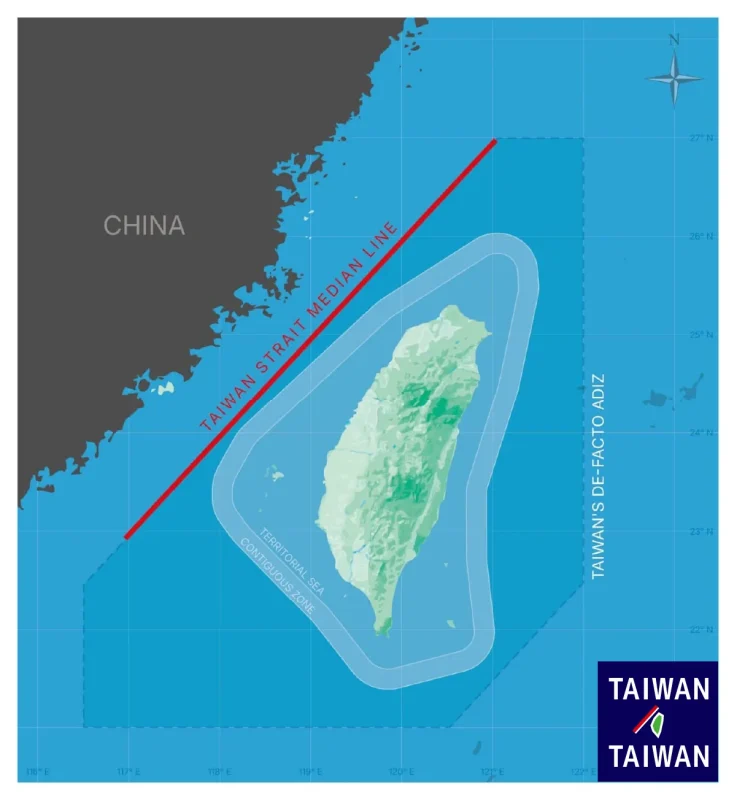
台灣的防空識別區與「台海中線」,正是過去數十年來維持台海現狀最關鍵的兩道安全協定。台灣國軍以武力維護的這兩條隱形界線,保障了這座島嶼每天日常系統的穩定運行。但如今,這兩道防火牆正遭北京當局密集的侵擾,企圖從實體與法理上進行「覆蓋」。
二、 海峽中線的歷史「安全協定」
要理解台海中線,必須回到冷戰時期的原廠設定。1954 年,美國與中華民國(台灣)簽訂《共同防禦條約》,當時美軍第十三航空特遣隊司令戴維斯准將(Benjamin O. Davis Jr.)在台灣海峽中間劃設了一條警戒線,史稱「戴維斯線」(Davis Line)。
戴維斯准將的命令下達得再直白不過:「只要中國人民解放軍之機、艦越過海峽中線,而且判明具有敵意的話,協防台灣的美軍戰鬥機即可迎戰開火。」
台海中線的誕生,本質上是美國為了防止台海爆發大戰、導致全球「系統中毒」而架設的「沙盒隔離協議(Sandboxing)」。當時台灣的海空軍實力遠優於中國,美國劃這條線,一方面是保障台灣安全,另一方面也是在「約束」蔣介石不要主動對中國大陸發動大規模攻擊,把衝突封鎖在沙盒之內。
北京政府雖然在口頭上從不承認這條中線,但在實務上,人民解放軍過去數十年來,都實質遵守並尊重這條邊界。這種心照不宣的務實共同遵守,成為維持台海和平穩定的核心協定。
三、擴張主義的惡意溢位:從南海九段線到威脅全球 AI 供應鏈
然而,中國自 2012 年底由習近平掌權後,開始系統性地拆解鄧小平時代所奠定的核心外交政策承諾,台海維持數十年的平靜與平衡,也被中共逐步且危險地瓦解。
與如今北京官方宣傳所營造出「萬邦來朝」的霸權假象不同,歷史與經濟的現實是:中國過去數十年的經濟與軍事崛起,始終建立在對西方主導之國際自由貿易秩序的依賴與巧妙利用上。
中國最著名的外交政策承諾,莫過於 1974 年在聯合國大會上,時任中共國務院副總理鄧小平鄭重向世界宣告:
「中國現在不是!將來也不做超級大國!……中國絕不會成為謀求世界霸權的帝國主義國家!也絕不會對別國進行侵略、干涉、控制、顛覆、和掠奪!」
這奠定了中共「韜光養晦不破壞國際秩序、融入西方貿易體系」的國策。然而習近平上台後,卻領導中國走向了截然不同的劇本。如果相信中共的片面之詞,認為其對台灣的侵略惡意「只是為了解決上世紀的內戰殘留問題」,那是大大低估了中共在全球的擴張野心。
當全球經歷 2008 年金融危機時,中國因「四萬億刺激方案」得以獨善其身且力挽狂瀾,這種強烈對比讓北京產生了一種「集權體制遠優於效率低下的西方民主」的膨脹自信,開始從原本的「韜光養晦」轉向銳利的「大國崛起」。
2013 年,中國國家主席習近平在中國經濟實力最鼎盛之際,對時任美國總統歐巴馬豪言「太平洋足夠大,容得下中美兩個大國」,暗指中國要劃分並主宰西太平洋——完全無視美國在二戰亞洲與太平洋戰區付出了超過 15 萬名美軍將士性命的代價,才奠定並維護了戰後的自由與秩序。
到了 2015 年,習近平的野心已化為實際行動。當國際媒體以衛星影像揭露中國在南海大肆填海造陸並進行軍事化時,習近平強行將這些海域地物宣稱為中國「自古以來不可分割的主權領土」,並在地圖上的公海劃出「九段線」,視國際法為無物。
菲律賓為此向常設仲裁法院(PCA)提出仲裁。2016 年「南海仲裁案」做出裁定,判定中國基於「九段線」的歷史性權利主張缺乏國際法依據。然而,中國卻粗暴宣稱仲裁結果「非法!無效!」,堅持「不接受!不承認!」並持續侵擾南海周邊國家的專屬經濟海域,還宣稱是「依法巡邏中國領海」。
這股地緣邊界擴張的強烈壓力,在 2019 年正式指向台灣。習近平單方面將兩岸關係鎖進「一國兩制、同屬一中」的框架,宣稱要「統一」台灣,並警告「不承諾放棄使用武力」。
正是在這種修正主義與霸權擴張的背景下,台海兩岸長期存在、雙方心照不宣的「海峽中線」默契,開始遭到北京當局頻繁且蓄意地實質破壞。
四、對整個自由世界防禦極限的「壓力測試」
2022 年,時任美國眾議院議長裴洛西(Nancy Pelosi)歷史性造訪台灣,北京當局隨即以「不准外國勢力干涉內政」為藉口,將「軍機越過海峽中線」實質常態化。
如今,這股威權惡意溢位的壓力,已全面覆蓋南海、台灣海峽、東海與黃海,解放軍甚至遠航至澳洲與紐西蘭之間的塔斯曼海(Tasman sea)實施實彈演習。
如同中國對菲律賓、日本專屬經濟海域的侵擾,中共對台灣防空識別區(ADIZ)與海峽中線的密集騷擾,絕非「上世紀中國內戰的待解問題」,而是極權帝國對整個西方自由世界防禦極限的「壓力測試」。
中共處心積慮要拿下台灣,絕非為了實現其宣傳中「民族復興」的感性情懷,而是極權帝國為了突破「第一島鏈」、向太平洋擴張海權的冷酷軍事幾何學:
-
天險與隱蔽性的限制: 從地質學與水文學來看,中國整個沿海(北起渤海、黃海、東海,南至台灣海峽)絕大部分屬於大陸棚淺海。除了南海中央深海盆外,中國整條海岸線的水深都不利於大型潛艦活動,極易被衛星、水下聲納與磁異偵測器掌握,完全無法有效隱蔽。
-
台灣東岸的深海利器: 相對地,台灣東岸(花蓮、台東外海)離岸不遠水深即陡降至 1,000 至 4,000 公尺的深海溝。解放軍潛艦若能以台灣東岸作為基地,等同拿到了一件讓核潛艦無聲消失在深海的「隱身斗篷」。
因此,國際戰略界普遍意識到:中共強行霸佔南海這座公海「路由」只是第一步;奪取台灣這座主機、將台灣海峽納入其「內海」是第二步;而讓解放軍潛艦從台灣東岸直接潛入西太平洋深海,避開美日追蹤、向廣袤的太平洋延伸打擊範圍(近可牽制日本與關島,遠可威脅澳洲甚至美國本土),則是其清晰可見的軍事野心第三步。
這場對自由世界的地緣威脅,更直接切中了全球經濟與 AI 科技的心臟:
-
全球最繁忙的海上咽喉: 全球化讓台灣海峽成為世界上最繁忙的海航線之一,承載全球超過 20% 的海運貿易量。第一島鏈同時佈滿了全球最頂尖的高科技供應鏈,電子零組件、半導體與能源運輸都必須行經此處。一旦中國控制台灣海峽,將可直接掐住台、日、韓乃至全球貿易的咽喉。
-
AI 時代不可替代的算力心臟: 2022 年後,人工智慧浪潮席捲全球,而 AI 的核心正是高階半導體晶片。台灣正是全球算力的心臟——生產全球超過 90% 最先進晶片;而同在第一島鏈的日本與南韓,也是整個半導體與 AI 供應鏈不可或缺的節點。
如果台灣這座主機落入極權中共之手,台灣海峽將被鎖閉為中國內海,日本與南韓的能源命脈與戰略安全都將被北京死死捏在手中,極權病毒將瞬間導致全球科技供應鏈全面「中毒」與「斷網」。
而任何依賴自由民主與智慧財產權保護的全球科技品牌與文明國家,都絕無法承受將最核心的算力心臟與晶片命脈,交給一個極權控制系統的致命風險。
五、「中共不是敵國」是危險的法理幻覺
中共企圖消滅中華民國、併吞台灣,是自 1949 年蔣政權撤退來台起就再明顯不過的歷史事實。而這個野心,在習近平上台後更是具體化、系統化,成為其試圖稱霸西太平洋、與美國劃洋分治的「霸業宏圖」核心。
然而,台灣卻有一群人試圖以「法理」為中共掩護,拿 1947 年制定於南京的中華民國憲法文字,辯稱中共只是「叛亂組織」,既不是「外國」更非「敵國」。這是故意混淆「1947 年前的舊中國法理」與「1991 年後的民主台灣法理」。
1. 內戰狀態的結束與國際代表權的清算
事實是,當 1991 年中華民國廢除《動員戡亂時期臨時條款》並通過《中華民國憲法增修條文》,就已在法理上完成了決定性的轉型——中華民國正式承認中共實質統治中國大陸,並終止了法理上的「內戰狀態」。
更早之前,1971 年聯合國大會通過的第 2758 號決議,則是國際社會在法理上對「中國代表權」進行的終極清算——「中國內戰」與「誰代表中國」的爭奪早已結束。
聯合國有因此認定中華民國與中華人民共和國是同一國嗎?沒有。有因此判定台灣必須歸屬中共嗎?更沒有。
2. 領土繼承的歷史真相
中華民國輸掉「中國代表權」,絕不等於其實質統治的台灣——無論主權或產權——必須自動歸給中國內戰的贏家:
-
成立於 1912 年的中華民國在繼承大清版圖時,大清的領土清冊早已不包括台灣(大清早在 1895 年《馬關條約》中就將台、澎永久割讓給日本),中華民國從未從大清手上繼承過台灣。
-
晚至 1949 年才成立的中華人民共和國,當然更無法靠著打贏中國內戰,去「繼承」大清破產時早已不在其領土清冊上的土地——無論是台灣,或是海參崴。
當內戰狀態結束,中共依然宣稱擁有台灣主權,並部署數千枚飛彈與軍機對準台灣時,在國際法與實體法理上,中共就已從過去內部的「叛亂組織」,正式轉變為「對中華民國(台灣)主權與領土進行武力威脅的外交與軍事敵國」。
3. 台灣實體法律體系的「敵國」定義
如果只看憲法本文文字而不看實務法律,那是法學上的盲人摸象。台灣的現行法律體系,早就對中共的「敵國 / 境外敵對勢力」性質進行了嚴格的代碼定義:
-
《反滲透法》第二條: 明確將「境外敵對勢力」定義為「與我國交戰或武力對峙之國家、政治實體或團體」。解放軍天天以戰機、軍艦越過海峽中線進行武力壓迫,完全符合「武力對峙」的境外敵對勢力定義。
-
《國家安全法》與《刑法》外患罪修正: 2019 年立法院完成修法,將外患罪的適用對象從傳統的「外國」,擴大涵蓋至「大陸地區、香港、澳門、境外敵對勢力」。這在法律實務上早已宣告:洩漏國家機密給中共,等同於洩漏給敵國,適用外患罪。
4. 生存底線的系統安全常識
況且,中國早已直接制定《反分裂國家法》授權解放軍侵略台灣,天天派戰機越過海峽中線,甚至演練如何在戰時切斷美、日、澳對台灣的補給,在戰略上以滅絕台灣民主主權為終極目標。
如果一個天天演練如何滅絕你國家主權的武力實體不算是敵國,什麼才是敵國?
認清「中共是敵國」絕非挑釁,而是任何一個獨立主權國家與公民,維護國家生存最底線的「系統安全常識」。
第二節 偽造的產權 中共的法理騙術
一、既然台灣不是中國 為何要叫作中華民國?
I. 台灣是「盟軍代管地」,不是國共內戰的延伸
中華民國在 1912 年成立時,台灣早已是日本依《馬關條約》合法擁有的領土,因此中華民國並未從大清帝國繼承台灣。
而當 1945 年二戰結束時,國民政府受盟軍最高統帥麥克阿瑟(Douglas MacArthur)發布的《一般命令第一號》指派,代表盟軍接管台灣,並對這座島嶼實施「軍事佔領」與「代管」時,也並沒有獲得台灣這塊土地的產權。
當時,國民政府在中國正與中國共產黨進行激烈內戰,因而將台灣定位為「大後方」基地,對台灣進行大規模的物資與金融抽取,以支應其在大陸的內戰消耗,進而引發了後續的社會動盪與省籍衝突。
1949 年,蔣介石領導的國民政府在內戰中全面敗退,一如 17 世紀被清軍逼退至台灣的鄭成功,蔣介石帶著敗退的中華民國政府撤退到台灣這個「盟軍代管地」,仍然不擁有台灣的主權。
當時的國民政府與美國政府在內部的機密公文中呈現得非常明白,證據之一是 1949 年 1 月 12 日,蔣介石在給「台灣省主席」陳誠的機密電報中訓斥陳誠:
「台灣法律地位與主權,在對日和會未成以前,不過為我國一託管地帶性質,台灣政府更非我國之正式政府。」
證實蔣介石非常清楚國府只是為盟軍代管台灣,而不擁有台灣的主權。
II.不沉的航空母艦讓中華民國得以延續
1950 年,韓戰全面爆發。由於中國共產黨悍然參戰,北京在戰略上全面倒向莫斯科,徹底打破了美國原本將台灣與韓國排除在太平洋防衛圈之外的設想。
二戰傳奇名將麥克阿瑟將軍凝視地圖,首次為台灣在自由世界的戰略位置定調——「不沉的航空母艦」,並警告自由世界,若台灣落入共產黨手中,這座關鍵的戰略樞紐將成為「威權擴張的跳板」。
美國政府因此重新確立圍堵共產擴張的全球戰略,連線起日本、琉球群島、台灣,南至菲律賓與大巽他群島,正式築起一道「第一島鏈」的自由防線。
原本因為「蔣宋孔」家族的貪腐與抗共不力、幾乎已被美方放棄的蔣政權,因為實質統治著台灣這個第一島鏈咽喉,重新獲得美國在軍事與經濟上的關鍵支援。
III.「台灣地位未定」就是為免落入中國之手
當時的美國總統杜魯門(Harry S. Truman),為避免蔣政權被共產黨消滅或倒戈、進而讓共產黨以「國共內戰」為由在法理上併吞台灣,發表聲明指出:台灣地位未定——「福爾摩沙未來地位的決定,必須等待太平洋安全的恢復、對日和約的簽訂,或經由聯合國的考慮。」
這意味著美國不承認二戰後的台灣是中國的一部分,中共自然無法以「繼承中國領土」為由,在國際法上主張對台灣擁有主權。
美軍並隨即派遣第七艦隊進入台灣海峽,保護這塊「地位待定的戰後領土」,實施「海峽中立化」;第一節所提到的「海峽中線」,其歷史背景即源自於此。
在盟軍默許的冷戰格局下,蔣介石因此得以「中華民國(ROC)」為國號,對台灣實施事實上的治權,以及長達數十年的威權統治。
二、各國的一中「政策」不等於中共的一中「原則」
I. 盟國大股東:沒有理由將台灣交給中共
正是在蔣政權敗逃台灣的情況下,中華人民共和國在 1949 年成立後,其核心外交立場就是「世界上只有一個中國,中華人民共和國政府是代表全中國的唯一合法政府」,並要求任何想與其建交的國家,必須斷絕與中華民國(ROC)政府的官方關係。
英國是最早承認中共代表中國的西方國家之一,出於保護其在香港的龐大經濟利益,以及評估國民黨在中國大陸已徹底敗退的現實,英國在 1950 年就決定承認北京為中國的「事實與法理政府」。但同時,英國堅決不承認台灣是中國的領土。
因為 1945 年國民政府只是代表盟軍軍事佔領台灣;而在決定二戰後領土歸屬的正式國際協議——1951 年的《舊金山和約》中,美國與盟邦為台灣設立了一道關鍵的法理防火牆:未明定將台灣移交給任何國家,僅讓日本「放棄台灣與澎湖之主權」。
因此,台灣的產權證書在 1951 年被國際條約法高高地懸掛在西太平洋上空,等待真正合法的產權擁有人前來辦理在地登記。而這個等待,將一直持續到 1996 年台灣實現第一次總統直選。
英國因為堅持不認同「台灣是中國一部分」,中共因此將兩國外交關係降級為代辦級。直到 1972 年兩國正式升格為大使級外交關係時,英國在建交公報中也僅使用 「認知到(Acknowledge)」 北京對台灣的主權主張,而非「承認(Recognize)」。
II. 中共的「一中原則」內含一隻法理木馬
正是在英、美等盟國都不承認台灣屬於中國的情況下,中共開始刻意混淆各國的「一中政策(Policy)」與自身的「一中原則(Principle)」,企圖打造一隻掩蓋侵略意圖的「法理木馬」。
中共的「一中原則」是一套具欺騙性的三段式綁架:
-
世界上只有一個中國;
-
中華人民共和國是唯一合法政府;
-
台灣是中國的一部分。
對於不熟悉東亞歷史的國際公民而言,在前兩點符合地緣現實的情況下,極易受到中共大外宣的誤導,誤以為虛假的第三點同樣是既定事實,同步下載了這段「假代碼」。
但只要對各國與中國建交的外交文字進行司法鑑識便會發現,除了少數完全扈從中共的極權國家之外,自由世界從未承認中國對台灣的主權宣稱。
美國、英國、加拿大、日本、與歐盟,在外交文書上對北京「台灣是中國的一部分」的宣稱,使用的都是 「認知到(Acknowledge)」、「注意到(Take note of)」或「理解並尊重」。
在國際法與外交實務上,這叫做「已讀不回」——我知道你的立場,但我絕不幫你背書,更不代表我接受。
三、中共無權透過打贏「中國內戰」繼承台灣
為什麼西方主要國家都不承認「台灣是中國的一部分」?理由無比清晰:因為儘管台灣確實曾在 17 世紀末被清帝國佔領並統治,但滿清帝國並非現代意義的「中國」。
而清帝國早在 1895 年就透過《馬關條約》,將台灣的主權與治權永久割讓給日本。
因此,當成立於 1912 年的中華民國繼承滿清領土時,台灣早就不在滿清領土的清冊裡,中華民國無從繼承台灣;遑論是成立於 1949 年的中華人民共和國。以國際法理來看,台灣自 1895 年起,就與任何後續成立的現代中國政權,不再有任何法律上的產權連結。
中國內戰底定 中華民國無權代表中國
儘管蔣介石在島內瘋狂地向人民灌輸「中華民國」才是正統中國,處心積慮希望美國與中共開戰以助其「反攻大陸」;然而,國際社會承認中華人民共和國代表中國的趨勢已無法逆轉,各國紛紛與中華民國斷交,這股浪潮到了 1970 年代達到頂峰。
1971 年,聯合國大會通過第 2758 號決議:
「恢復中華人民共和國的一切權利,承認她的政府的代表為中國在聯合國組織的唯一合法代表……並立即把蔣介石的代表從它在聯合國組織及其所屬一切機構中所非法佔據的席位上驅逐出去。」
這是國共內戰在國際法理層面的正式底定。它宣告了「中華民國」作為全中國合法代表的法人身分,在國際法庭的清算中徹底破產並遭到註銷——北京政府成為「中國」這個法人的唯一正統代表。
中華民國因此迎來了更大規模的斷交潮,這也是如今大多數國家與中華民國(台灣)僅維持實質往來、卻沒有正式「國與國」外交關係的主因。
關鍵的法理邊界:驅逐經理人,並未轉移產權
然而,這項決議最關鍵的法理核心在於:聯合國「2758 號決議」通篇未提及「台灣」或「福爾摩沙」。
中華人民共和國絕未因為贏得了國共內戰、取得了中國代表權,就因此自動取得了台灣的主權。
因為早在 1951 年的《舊金山和約》中,台灣的主權就已被國際法高高懸置。聯合國無權將一座不屬於中國的島嶼劃給北京,它所做的,只不過是把那個抱著舊招牌的流亡物業經理人(ROC),趕出了「中國」這個法人的議事廳。
四、無法代表中國的中華民國在台灣進行「股權落地重組」
I. 中華民國在台灣「落地生根」
自此,中華民國這個誕生於中國大陸的國號與憲法,既無法代表中國,對內宣稱要「反攻大陸」的統治權力更面臨名實不符——那些在國會中代表中國各省、幾十年不必改選的「萬年國代表」,已不再只是虛幻,而是徹頭徹尾的政治詐欺,連發動「反攻大陸」都將嚴重違反國際法。
當中華民國政權的合法性面臨全面崩解時,蔣介石的繼任者蔣經國在 1970 年代開啟了一連串將中華民國「落地生根」的本土化轉型。他不再追求虛幻的「反攻大陸」政治神話,開始在台灣推動「十大建設」。
這是這個政權在台灣這座島嶼所進行的第一次大規模「在地資本改良」——承認台灣不再是中華民國暫時下榻的旅館、反攻大陸的跳板,而是永久的家園。
到了 1990 年代,台灣人民要求民主自由的意識達到巔峰。在民間不懈的抗爭與努力下,中華民國在蔣經國的繼任者李登輝手中,進行了最關鍵的憲政蛻變與合法性重組。
李登輝順應高漲的民間民主浪潮,透過七次修憲完成了一場不流血的「寧靜革命」,廢除了形同戒嚴的《動員戡亂時期臨時條款》,將那些不必改選、代表中國大陸各省虛幻地圖的「萬年國代」與立法委員全數清退。
II. 1996 總統直選:雙重意義的法理里程碑
1996 年舉行的首次總統直接民選,更成為決定性的法理里程碑。這場直選在國際法與產權法學上,具有極其關鍵的雙重意義:
-
合法性賦能(統治外殼重組): 中華民國(ROC)這具誕生於中國大陸、帶著威權原罪的統治外殼,首次獲得了台灣兩千一百萬人民的「直接投票授權」。它的治權不再來自 1947 年在南京制定的那張舊地圖,而是來自於這座島嶼上每一張實實在在的選票。
-
主權的在地登記(產權正式合流): 這場直選,就是台灣人民集體走向那張自 1951 年《舊金山和約》以來就被國際條約法懸空、產權留白的「台灣主權證書」,鄭重地簽下了全體兩千一百萬人的名字。(當年合法選民約一千四百萬人,有超過一千萬選民前往投票所投下神聖的一票,投票率高達 76.04%)。
透過《中華民國憲法增修條文》在法理與制度上,徹底將「不自由地區(中國大陸地區)的住民」排除在國家共同體之外,將所有的選舉權與治理權嚴格限制在「自由地區」,中華民國在台灣人直選總統之後,完成了徹底的「股權落地重組」。
兩千一百萬公民重新登記了這家古老憲政公司的資產與所有權,台灣的主權與治權在 1996 年正式合流,完全收攏在兩千一百萬台灣人手中。
更重要的是,當 1996 年原本懸空的台灣主權,徹底由台灣全體住民以不流血的民主方式合法取得、完成在地登記,這場「股權重組」便直接沒收了中共企圖透過「繼承」或「內戰法理」染指台灣的任何藉口。
五、台灣主權爭奪戰由島民透過選票徹底拿下
面對這場無懈可擊的民主實踐,無計可施的北京只能氣急敗壞地朝台海試射飛彈,企圖用物理暴力阻撓產權登記,最終在美軍雙航母戰鬥群進駐台海的強大威懾下草率收場。
這場 1996 年的台海飛彈危機,正式宣示了中共台海戰略的全面破產。自此,中華人民共和國若欲奪取台灣,在法理與實體上只剩兩條路徑:
-
發動徹底違反國際法的非法侵略;
-
威逼利誘台灣人以民主方式自願交出主權。
招牌矛盾:荒謬的外交精神分裂
然而,中華民國的修憲工程至今仍未完成。這家「公司」至今依然沿用著舊招牌「ROC」,無法在國名上直觀代表那個已經由台灣住民完成股權重組、徹底排除中國大陸住民的法理實體。
這種名實失調的現實,導致國際社會無法以「國與國」的正式外交體制與民主台灣交往——儘管中華民國台灣比世界上許多已被承認的國家,都更有資格被視為一個正常國家。
對中共而言,更是陷入了一種近乎精神分裂的「招牌矛盾」:
一方面,極力封殺舊招牌:在國際組織與國際體育賽事中,「中華民國」這個舊招牌提醒著世界這個政權曾經才是正統中國,因此中共全力逼迫台灣不准使用「中華民國」,只能以「中華台北(Chinese Taipei)」的名義委屈參賽。
另一方面,又死守舊招牌不准換:北京同時又威脅台灣,若將國號正名為「台灣」就是「台獨」,中國將不由分說發動戰爭。近年更以「反獨」為理由,拒絕與獲得台灣人民合法選票授權的民進黨政府進行任何官方交流。
歷史與現實的終極定調
法理與事實都不容抹滅:中華民國台灣早已徹底脫離其過去的內陸歷史,是一個獨立的主權國家。 她的管轄權由兩千三百萬人民的民主現實所定義,而非由北京單方面劃設的帝國版圖所決定。
台灣至今仍沿用「ROC」這個舊招牌,純粹是受制於鄰國強權暴力威脅下的「戰略隱忍」——這絕不代表台灣人民認同中國對台灣擁有任何主權。
第三節 灰色地帶攻勢:實體與認知的雙重侵蝕
一、法理無能,就軍事施壓台灣人自願交出主權
如今的台海,被國際媒體定義為「全世界最危險的地方」。根據台灣國防部釋出的資料,光是 2025 年,就有高達 5,441 架次中共軍機闖入台灣防空識別區(ADIZ),其中 3,764 架次逾越海峽中線;海域更有 2,915 艘次共艦侵擾。
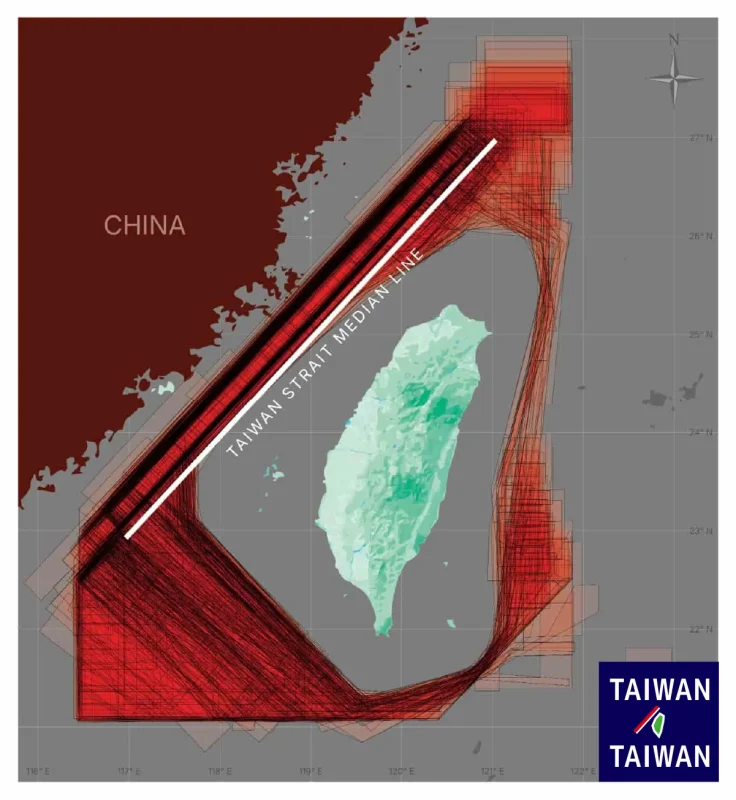
這絕非一場前現代的「內政主權爭議」,而是一連串公然在西太平洋海權心臟地帶、對國際法與全球契約文明底線進行的非對稱流氓勒索:
-
在南海,不斷侵擾與撞擊菲律賓補給船;
-
在台灣海峽,常態化越線並進行封鎖式軍事演習;
-
在日本海空域,聯合俄羅斯進行軍機巡航與實彈射擊。
對台灣,北京要製造恐懼、麻痺感、內部撕裂;對國際,它要憑空塑造出「中國正在實質管轄台灣」的外交假象。
灰色地帶:介於和平與戰爭之間的系統侵蝕
這種沒有真正開火的軍事壓迫手段被稱為「灰色地帶施壓(Grey-zone coercion)」。透過刻意避開正面軍事衝突的臨界點,北京當局成功免除了真正點燃戰火所必須承擔的毀滅性政治與經濟代價。
同時,透過這種常態化的「系統當機」與「背景噪音」,中國正在從根本上重塑戰略環境——目的在於麻痺國際社會,強迫全球接受其咄咄逼人的軍事存在,進而一步接著一步,單方面拆解台灣海峽的防衛現狀。
實體世界的 DDoS 攻擊
中共派遣這些軍機軍艦前來騷擾,以資訊系統工程來說,正是標準的「分佈式阻斷服務攻擊(DDoS Attack)」——這不是一場一次性決勝負的決戰,而是一場針對台灣軍事主機進行的「長期頻寬耗竭戰」。
透過高密度的「垃圾封包」,中共正不斷消耗台灣空軍的裝備壽命、癱瘓防空系統的運算算力,並持續測試台灣國軍反應時間的極限。
應對中共的每一次侵擾,台灣空軍必須立即升空、全程監控、維持高度警戒。但與此同時,台灣的國防資源也在被無聲消耗,第一線後勤壓力持續累積,整個戰備狀態被全天候高壓測試。
它意圖在不觸發美日安保與國際武力干涉的前提下,用無休止的虛擬與實體流量,將台灣這座防禦主機的後勤算力與心理頻寬徹底壓垮。
在北京這場精心設計的空域侵蝕中,台灣主權的前線正面臨著物理速度的絕對壓縮:一旦中國軍艦從台灣 24 浬鄰接區外發射巡弋飛彈,瞄準島上的雷達站、機場與防空要塞,整個致命的物理彈道過程,台灣僅有約 3 分鐘的時間可以反應。
這是一場地緣政治上的心理賭博:企圖在精準維持低於全面軍事衝突門檻的前提下,恫嚇台灣政府並震懾台灣人民。
二、認知戰:利用漢文化當中的「大一統天朝」代碼
這種灰色地帶的攻勢並未止步於實體領域,它結合了一場曠日持久、且具系統性的「認知戰」。而要理解這場認知戰為何對部分島民特別有效,必須將兩岸共享的「漢文化 / 中華文化」當中的「大一統天朝」代碼特別抓出來進行解析。
I. 大一統天朝代碼:為大平原農業水利與天子而生的集體主義
「大一統天朝」的概念誕生自東亞大陸,為大平原與大河流而生。在大陸型的農業生態環境中,大規模的治水、修築千里堤防,以及防禦北方遊牧騎兵的侵擾,都需要高度集中的人力與資源調配。
這種現實的技術經濟模式,最後催生出強調「集體凌駕個人」的「秦制中央集權」政治機器。為了穩定這個被死死綁定在土地上、無法自由流動的龐大農耕群體,這套系統進一步開發出「儒家宗法尊卑制度」,用以規範基層的生育單元與內部秩序。
這套文化軟體的核心原始功能,從非人文主義的啟蒙,而是用來管理與禁錮一個毫無流動性的定居農民階層。
這套代碼的運作機制,結合了「天子神話」與「孝就是忠」的家國同構。其基本邏輯是:國家並非由「公民」透過「契約」組成,而是一個神聖不可分割的「天下/版圖」。
這個天下版圖由「天子」獨佔,並對所有的資源與「百姓」擁有絕對的支配權與所有權。
儒家士大夫並在政治上,將無數透過武力取得政權的「既成事實」包裝成一套「天與天子」的神話予以加持,如今演變成的邏輯已極其粗暴簡單:誰佔據了中原、繼承了北京的皇宮,誰就是「天子」與「正統」。
當有人不願對「天子」臣服、拒絕被天朝版圖併吞時,「百姓」腦中內建的「天朝警鈴」就會大響,為那位理應不存在於 21 世紀的現代皇帝抱不平,因為——「普天之下,莫非王土」。
兩千年來,這套古老的大陸農業作業系統教導「百姓」:
- 統一=太平盛世=善:這套系統運行的是以「大一統」集中支配所有人力與資源,以成就大流域的治水與水利工程的集體主義邏輯,其成果是農作的收成與階級分配的秩序。
- 分治=割據亂世=惡:複數國家則被認為只會帶來動盪、中斷農作與「天理」的運行,在這套政治神話中,「天理」是「唯一」天子與上天之間的事,所以「普天之下不能有兩個以上的天子」。
因此,「台獨」不僅是對唯一天子的不敬,更是對「天理」的破壞。在如此邏輯下,「中華民國早已不是正統」,當然必須「臣服於代表正統的中共」,而在中華民國治下的台灣人,當然也必須對「正統與天理」下跪,以免「人不照天理,天將不照甲子」。
即便如今大多數島民所仰賴的和平與繁榮,是美國在戰後主導的海洋秩序與全球自由貿易體系,但這套關於「天子、大一統」的農業操作系統代碼、中原大陸政治神話,至今仍在許多享受自由民主的島民腦海中根深蒂固、揮之不去。
II. 忠即是孝、孝即是忠:說天朝的不是就是污辱我的父親
這套大陸政治神話之所以歷經兩千年依然洗腦,是因為它透過「君臣父子」的儒家倫理代碼,將帝國的極權架構無縫佈建進每一個家庭與基層社會。家庭就是帝國的微型縮影:國家有天子,家庭有家長,「忠」與「孝」在社會底層被徹底綁定。
這不僅是一套政治控制,更是一套無孔不入的利益結構與情感防禦機制。
以利益結構來說,「身分」即是階級特權,個體只要透過「長輩、父親、丈夫、長官」等權威身分,就能在家庭與單位裡自動獲得支配他人的階級特權,享受不必被挑戰的「微型威權」。這種「只要服從上層,就能在下層享用特權」的結構,成為前現代社會最頑固的心理同盟。
那些在舊體制中享受著身分紅利的人,會下意識地捍衛這套秩序,因為一旦否定了頂層「天子與大一統」的正當性,他們在微型結構裡所依附的權威與紅利也將隨之瓦解。
同時,更深層的機制也運作於反向的情感投射。在「忠即是孝」的文化制約下,天子被升華為終極的集體父親,而世俗的父親則被神聖化為帝國在家庭裡的代表。
這種將個體情感與國族圖騰深度纏繞的結果,是將政治批判轉譯成倫理的原罪:對天朝神話的質疑,會被下意識地感知為對自身血緣、家長尊嚴、父輩一生價值的否認與背叛。
如此防禦性的情感代償,讓許多即便未曾享受到階級紅利的個體,依然主動成為天朝神話的守護者,在世代交替中不斷完成這套威權代碼的複製與鞏固。
III. 強權崇拜與特權幻覺:被麻痺的風險感知
與「天下無不是的父母」的俗諺相反,父母也是人,當然有很多缺點與不是。世界上也沒有「天子」這種血型或基因,「天朝」與「天子」是「人為發明」的政治神話——如果可以與天溝通,何以中國至今仍然年年爆發大規模水患?上天如果真的垂青這位獨裁者,怎會屢屢用滔天洪水證明他不過是個連水患都治不好的普通凡人?
然而,對於盲目信仰這套「天朝神話、階級矩陣」的人來說,「維護天朝大一統」的優先級,遠高於人民獨立自主的權利與自由的生活方式。
在他們「天朝至上」的腦袋中,即便中共是一個殘暴不仁的極權體制,但只要它能實現「大一統與版圖擴張」,這個歷史「功績」將高於「天子」的一切為惡。
近年來,這套代碼更被植入「百年國恥、偉大復興」的宏大敘事,導致「百姓」腦海中的「中華正統」,必須是一個能夠向西方自由世界「復仇」、展現「大國威儀」的強權。當代影視文化對殘暴「秦國」的歌頌,更暗示了越是殘忍的政權,越有可能完成大一統,進而反向「賦予了殘暴強權最高等級的正當性」。
在這種強者崇拜的心理下,中共龐大的軍事威脅(戰機、航母、飛彈),被他們視為「中華民族偉大復興」的實體象徵。共機與共艦對台灣的侵擾,被他們合理化為「誰叫民進黨搞台獨」。中共企圖併吞台灣的侵略野心,被媒體操弄為「統獨對決、藍綠對立」。
他們甘願犧牲人權、生命權、私有財產權、自由追求幸福的權利,去換取「大國崛起、萬國來朝」的虛幻集體榮耀感。
更致命的是,他們的腦袋裡存在著一種矛盾的「特權幻覺」與「避險悖論」。
他們的思維被「公正世界謬誤(Just-World Fallacy)」徹底催眠,把台灣民主社會的寬容當成世間常態;將冷酷的秦制暴政幻想為會講情面的天朝家長。
因此,當他們看到暴政下的受害者(無預警封城、資產清零、中產階級被割韭菜、被格式化的新疆、香港),不會產生同理心,反而認為極權的鐵拳只會砸向「不聽話的異端」:「是那些人不聽話、搞獨立、搞民主、搞顛覆,才會被收拾。我很乖、我擁護統一,帝國的鐵拳不會砸到我頭上」。
他們天真的以為極權的鐵拳是有邏輯、講信用、懂「酬庸」的,誤以為「順從」就是「安全代碼」——自己只要提前高舉「祖國統一」,就能憑藉「早期順民」甚至「在地協力者」的身分,換取一張「免死金牌」,還有機會成為特權階級。
他們雖然生活在自由世界,但大腦運行的卻是封閉的「天朝敘事」。他們以為的中共,是抖音、央視與大國崛起紀錄片裡的「繁華、強大、對順民體貼」,但他們從未親身經歷過真正的秦制暴政。
他們享受言論自由,受憲法保障的私有財產權,以及由美軍與國軍築起的安全屏障,卻把民主國家與公民社會尊重個體權利的系統安全,當成了理所當然的自然規律,誤以為「就算被併入中國,這種生活方式也會奇蹟般延續」,極權來了不過是「換張國旗、換個政黨執政」,根本無法想像真正的秦制帝國對於「降將與順民」的殘酷處置。
IV. 混淆文化認同與政治國籍
他們被「血統/文化即主權」的代碼綁架,嚴重混淆了「文化認同」與「政治國籍」。他們認為只要講中文、過農曆新年、祖先來自東亞大陸,就「天經地義屬於中國」,將文化傳承與政治臣服死死綁在一起——完全無視他們的祖先當年正是為了從那套沈重窒息的操作系統中逃脫,才橫渡黑水溝來到台灣。
他們無法理解美國聯邦、新加坡或澳洲的現代邏輯:使用相同的語言與血統,完全可以建立獨立自主、尊重人權的民主法治國家。
他們腦中的認知框架,仍停留在兩千年前在中原大陸上那套需要大規模人力以成就水利工程的農業系統,卻執拗地在 21 世紀的今天,試圖將這座根本無法運行平原水利系統的海上立體島嶼,奉獻給他們心目中「擁有正統」的極權領導人,以實現帝國的天朝版圖野心。
他們無法理解:一旦實體防火牆被拆除,讓他們擁有私人財產與言論自由的底層法律結構,將在一夜之間被徹底格式化。而在被毀滅的架構之上,任何文明、繁榮與安全,都將化為烏有。
三、侵擾空域搭配代理人操縱選民
正因為「漢文化 / 中華文化」當中,存在著這段「天朝大一統」代碼——在台灣人的認知系統底層運行了數百年,卻未曾以公民社會的角度除錯。中共因此不需要從零打造一套新的洗腦工具,他們只需要透過共享的漢字、相似的節慶、宗親血緣與語言符號,發送一段帶有毒素的「天朝復興」封包,就能繞過現代國防的實體警報,直接在台灣人的心理防線發動木馬攻擊。
「兩岸一家親!中國是兄、台灣是弟!要合力對抗外侮!」
「兩岸血濃於水、都是炎黃子孫!台獨就是數典忘祖!」
「兩岸都是驕傲的龍的傳人!二十一世紀是咱中國人的世紀!」
「兩岸同根同源血脈相連!中國人不打中國人!只打台獨、疆獨、港獨」
與此同時,彷彿與北京的實體軍事侵擾形成詭異共振,近年來台灣內部開始有學者與政治人物向民眾推銷一種破綻百出的敘事,宣稱防禦性的嚇阻是一種「挑釁」,和平唯有透過「單方面解除武裝」才能獲得保障。
中共並透過在台代理人與媒體,在台灣從大眾媒體到社群角落,進行源源不絕的分化與洗腦:
【疑美論】投放「毀台棄台」的病毒代碼,切斷自由世界的連線
不斷宣稱「美國只把台灣當棋子」、「美國只要台積電、台灣被中共拿下後美國會轟炸台灣」,將同盟國之間健全的國防安全合作,扭曲為「美國要掏空台灣、把台灣變成戰場」。這正是傳統天朝大一統大腦的典型投射——因為在他們的世界觀裡,沒有平等相待的「同盟與契約」,只有「朝貢與支配」。他們無法理解自由世界的集體防禦體系,便強行將美台關係解構為「主子與棋子」,藉此誘騙台灣人放棄與現代海洋文明的連線,孤立自囚。
【疑軍論】投放「武裝即挑釁」的麻痺軟體,誘騙島民手動關閉防火牆
每當國軍推動國造潛艦、採購防空飛彈、強化兵役訓練或增列國防預算時,這群人便會跳出來痛批這是「挑釁對岸」、「窮兵黷武」、「戰犯行為」。
這背後運行的,正是前現代農業系統的「天理」邏輯:天朝的龐大軍警是「維護秩序的正統」,而弱小邊陲的自我防衛則是「破壞和諧的叛逆」。
他們鼓吹單方面解除武裝,聲稱「只要不挑釁,天朝就會展現仁慈」——完全無視了歷史上極權帝國在清理沒有防衛能力的順民時,從來不需要任何理由。
【大國崛起夢】投放「強權即正義」的精神鴉片,植入前現代天朝臣服代碼
他們在台灣的大眾媒體與影視評論裡,鋪天蓋地地歌頌中共的航母、極音速飛彈、高鐵與數位監控,將極權政府對 14 億人的奴役與資產凍結,包裝成令人羨慕的「現代化奇蹟、中國式民主」。
他們大談「兩岸一家親」、「血濃於水」,以血緣情感綁架政治選擇。這正是利用「血統即主權」的古老代碼,誘導島民心甘情願地下架自己的民主防火牆,將台灣這座高科技主機,親手捧上獻給北京的皇帝。
【社群分化戰】投放「極端對立」的社會裂解毒素,製造零和對立引發系統死鎖
他們更精明地將手伸進了台灣內部的公民議題,利用開放社會言論自由的漏洞,在大眾論壇與社群平台上,將原本需要理性討論與政策調和的社會議題「極端化與仇恨化」,例如:
-
性別割裂:將多元平權對話,煽動為「極端女權 VS. 仇女男權」的零和戰爭。
-
交通對立:將路權與交通安全優化,操弄為「機車族 VS. 行人 / 駕駛」的階級仇恨。
-
能源撕裂:將複雜的能源轉型議題,簡化為「核電教徒 VS. 綠能黨羽」的死結判斷。
這套戰略非常清楚:不需要讓你愛上北京,只需要台灣社會被分化並彼此恨透對方。透過在大腦底層不斷製造「內部內耗、社會失能、民主只會帶來混亂」的無力感,他們企圖讓島民對台灣這套「開放海洋作業系統」徹底失去信心,在萬念俱灰下,懷念起那套「天朝強權、一強獨裁」的舊秩序。
四、將生死存亡的「團結反併吞」置換為藍綠對決、統獨對立
在所有的認知戰當中,殺傷力最大的,是中共透過在台代理人與媒體,刻意抹除掉國家的防禦屬性,將原本應該是「全國團結反併吞」的全民跨黨派共識,蓄意置換為「統獨對決」、「藍綠對立」。
透過將民進黨政府所有的保家衛國、國防自主與防禦備戰,全盤標籤化為「台獨挑釁」,在這種精心操弄的標籤戰下:
-
「國防防禦」變成了「綠營私利」:強化國防不是為了保護 2300 萬人的自由,而是「民進黨為了謀獨挑釁、綁架台灣」。
-
「保家衛國」變成了「青年送死」:推動兵役改革與預備役訓練,被簡化為「票投民進黨,青年上戰場」的恐懼行銷。
-
「認清敵我」變成了「綠色恐怖」:清除滲透與捍衛國安,被操弄為「綠營打壓異己、製造對立」。
這是一套極其惡毒的「民主免疫系統反轉(Autoimmune Reversal)」。黑客系統藉由這套標籤,成功讓一部分島民產生了一種荒謬的幻覺——他們將本該一致對外的大腦警鈴,轉而扣在自己內部的執政黨與同胞身上;他們恨內部的政治對手,甚至超越了恨那個天天派軍機侵擾、誓言要摧毀他們民主生活方式的實體敵國。
最終,全民反併吞的「國家整體防線」,被成功降格為消耗內力的「政黨惡鬥」;捍衛自由的「國防安全」,被解構為無意義的「藍綠算計」。
五、滲透台灣傳媒與網路空間:傳統資本綁架與數位認知去勢
在物理軍事的灰色地帶侵蝕之外,北京當局更將手伸進了台灣的言論廣場,透過「傳統媒體資本綁架」與「數位演算法認知作戰」發動了立體式的雙重攻擊。
1. 資本綁架:以廣告與市場壓迫,收購台灣傳媒的脊樑
中共深諳商業社會的運作弱點,長期透過「給予中國龐大市場紅利」與「掌握廣告主資源」作為對價籌碼,對台灣傳統媒體進行深度的資本滲透與立場馴化。
-
買下媒體,成為「北京發言人」:最典型的便是以台商為「白手套」收購台灣媒體集團,在重大兩岸議題上高度複製中共官媒的口徑與新聞框定,甚至在新聞編採上直接聽命於國台辦的指派,充當中共統戰與分化台灣內部的傳聲筒。
-
市場立場綁架與言論自審:台灣的傳統老牌媒體,亦在中國市場利益、台商廣告資源與歷史大一統情結的牽引下,長期在報導中植入「疑美論」、「失敗主義」與「兩岸必然統一」的暗度陳倉式論述。
-
廣告主的經濟扼殺:中共透過掌握在中國的台商與紅頂商人的廣告預算,精準地對台灣本土立場媒體實施「經濟抽薪」;同時將大量廣告與贊助資金注入願意配合統戰口徑的媒體與網路平台。這導致傳統傳媒為了商業生存,被迫進行自我審查,讓反共與捍衛本土主權的聲音在傳統大眾傳播中被邊緣化。
2. 數位去勢:演算法機制與敵國認知水軍的雙重夾擊
除了傳統媒體的失守,曾經作為台灣民主防禦網絡的數位社群空間,也在商業演算法與中共認知水軍的合謀下迅速惡化。
曾經,公民社會在社群平台上——在「太陽花運動」擋下黑箱服貿時、在「香港反送中運動」目睹極權扼殺自由時——那種全民蓬勃參與公共討論、團結抵禦侵略的盛況,如今卻在商業平台的演算法遊戲規則下,不斷遭到嚴重的限流、壓制與降權。
在平台流量演算法演進與敵國認知水軍的雙重夾擊下:
-
嚴肅的國安議題被標記為「敏感詞」:論述敵我意識、揭露滲透與批判極權的優質長文,被系統自動降低觸及,甚至判定為「煽動對立」;
-
極端的仇恨與短影音被賦予「高流量」:製造社會內耗、挑起性別與階級仇恨、傳播幾秒鐘捏造的疑美煽動片,卻能透過演算法乘風破浪;
-
公民的無力感被無限放大:當認真的討論得不到關注,當「政治很髒、兩邊一樣爛」的警句成為社群主流,公民社會便逐漸失去凝聚力,退縮回冷漠與疲憊之中。
這無疑是一場針對台灣民主系統的「數位去勢(Digital Castration)」。
敵國代理人與演算法機制聯手,將曾經是「民主防禦基地」的社群空間,改造成「散播厭世與恐懼的繭房」。目的就是要讓台灣的公民社會失去對話能力、失去對國家安全的集體警覺,最終在寂靜與內耗中,手動關閉台灣對外防禦的最後一道心智防火牆。
第四節 「百姓」與「公民」的十字路口
如今的台灣,無疑是亞洲最自由、最具活力且民主表現亮眼的國家之一。然而,若仔細解構台灣民主的底層邏輯,會發現它走了一條與西方現代性完全不同的演化路徑。
I. 被「收編」的團體 被「原子化」的社會
西方的民主轉型,本質上是「先有公民,才有制度」,在「現代國家」誕生之前,西方社會早已存在著獨立於王權之外的自主網絡——教會、自治城邦、工會、職業公會。
這些社群在長期與皇權及貴族的博弈中,鍛造出以「個人權利」、「社會契約」與「法律自治」為核心的「公民(Citizen)」意識。對他們而言,政府不過是公民為了保護自身生命、自由與財產,透過契約所讓渡出權力的「代理人」。
早期台灣並非沒有這種自主締結的社群網絡,在清領拓墾時期,面對官府無能、治安敗壞的官民對立環境,當時的常民為了生存,曾以庄頭廟宇、神明會、祭祀圈、與宗親會為核心,跨越血緣締結出極強的橫向自治網絡。
他們以神明為誓,自行籌措防禦資本、維護公共秩序、仲裁地方爭端,甚至發動跨區域的互助防衛。這些圍繞著神祇與廟宇運作的小小社會團塊,曾是台灣常民不依附官府、展現自我組織能力的「民間自治胚胎」。
然而,這套原本具備自主雛形的常民網絡,卻在隨後的歷史進程中遭到了系統性的瓦解與改造。日治時期,殖民當局透過保甲制度嚴密監控,並在後期發動「神社寺廟整理運動」,試圖以「皇民化」消解漢人傳統廟宇的凝聚力;到了二戰後,蔣介石政權更是將這套控制技術發揮到了極致。
威權體制一方面以「破除迷信」、「改良民俗」為名,壓制民間獨立的集會與遶境動員能力,將民間信仰閹割為去政治化的常民娛樂;另一方面,則透過極其高明的「恩庇侍從體系(Patron-Client System)」,將廟宇董監事會、宗親會與地方角頭,深層嵌入國民黨地方黨部、派系與選務綁樁網絡之中。
昔日用來團結常民、對抗官府的信仰聖地,被系統性地洗刷掉自治與抵抗的基因,退化為地方派系分配利益、樁腳動員與洗錢的政治附庸。常民橫向連結的自治能量被徹底瓦解,社會陷入「原子化」,最終不得不重新依附於威權國家的保護之下。
II. 戰略轉譯與「法統內轉型」的代價
在威權體制將「社會原子化」並牢牢壟斷「道統/正統詮釋權(中華正統、反共復國、儒家道統)」的雙重包圍下,台灣早期的黨外與反對陣營,在客觀環境極度受限的情況下,為追求自由民主、對抗以「秦制偽儒」實施戒嚴統治的國民黨政權,發展出一套極具生存智慧的應對策略:他們沒有直接使用西方深奧的法學或憲政理論進行正面硬碰硬,而是進行了一場高明的情感與戰略「概念轉譯」。
1. 以「法統」解構威權:低代價轉型的奇蹟與局限
國民黨以《中華民國憲法》作為其統治的「法統」基礎,黨外陣營便「以子之矛,攻子之盾」,不直接否定憲法,而是強烈要求「實施真憲政、廢除戒嚴、實行國會全面改選」。這套策略在道統上讓威權體制極難直接反駁,因為反對陣營主張的,恰恰是寫在憲法裡的「民主與人權」。在國際局勢的推波助瀾下,這套戰術最終以極低的時間成本與流血代價突破了威權封鎖,促成戒嚴解除、國會全面改選與總統直選。
然而,由於當時的反對運動必須在國民黨的「中華民國憲法 / 法統」框架下進行博弈,甚至到了 1990 年代修憲,本質上也是一場「清理萬年國會、重組股權」的頂層憲政工程。這導致台灣民主化最核心的政治動員,始終被迫高懸於兩個二元對立的極限命題:
-
「要不要民主 / 要不要解嚴」(威權 vs. 民主)
-
「台灣是誰的 / 要不要獨立」(國家認同 vs. 國家定位)
這種生死存亡與國族認同層級的命題,極具情感張力且極易進行陣營動員,使得政治競爭高度演化為「意識形態的要與不要」。然而,關乎常民日常生活的「地方自治、公共政策、法治細節、社會安全網」等微觀公民議題,反而被這場宏大的「法統 / 認同戰役」所掩蓋。
2. 以「清官」替代「公民」:道德聖戰的歷史後遺症
與此同時,為了能以最快速度突破國族規訓、動員最廣大的傳統常民,反對陣營將反抗威權、爭取人權的現代訴求,轉譯為常民最熟悉的舊代碼——打壓不公、替天行道、對抗貪官污吏的「民間包青天」形象。他們以「正義、高度道德、民本思想」為武器,成功破防了威權政權的道德壟斷。
但這種過度依賴「道德英雄(清官 / 烈士)」與情感寄託來對抗威權家父長制的策略,也帶來了深遠的後遺症:它讓民主化之後的公民社會,對於現代代議政治中「契約、理性監督、專業評估」的建立相對滯後。常民大腦深處對於「道德完人」或「慈父慈母」型政治人物的情感期待,依然沉重地凌駕於現代公民契約之上。
III. 被接管的基層:從「威權子民」到「陣營選民」
這形成了台灣民主最弔詭的現狀:當蔣政權將傳統廟宇、宗親會與地方角頭編入國民黨的地方派系與「恩庇侍從體系」後,台灣基層社會自主組織的基因已被閹割。當民主化驟然臨訪,台灣社會既沒有時間、也沒有土壤能從零培育獨立的公民團體與地方自治社群,政黨與政治明星便順理成章地直接填補了這個基層真空。
基層常民並未在民主轉型中經歷自我賦權的「公民化」過程,而是直接從「威權國家的子民」,無縫切換為「政黨與政治明星的選民」。國民黨將舊有的「地方派系與恩庇網路」轉化為選舉動員機器;民進黨與反對陣營則建立了「理念型 / 情感型」的全島動員網絡。
然而,基層社會的底層結構依然是原子化的。常民個體之間依然缺乏橫向的公共議題討論與公民行動,只有在三五年一次的選舉狂歡中,集體依附於政黨與政治明星所餵養的旗幟與口號之下。
可以說,戰後台灣社會被威權政權進行族群分化、宗族政治化、社會原子化與利益恩庇化的結構,並未隨著民主化而獲得根治。而國民教育也沒有因為 1971 年中華民國在聯合國的法統破產,或是 1990 年代修憲將「中國股東」清退、完成中華民國「股權落地重組」,而及時重新以「中華民國台灣」為本位,或從「現代公民」的角度,徹底解構那套由國共兩黨聯手編織的「大一統、一條龍」帝國神話。
這直接導致了今日的困境:在民主化數十年後的今天,無數獲得投票權的島民,在大腦底層深處運行的運算邏輯,依然是前現代的「誰是道統?誰掌握天命?」心靈深處期盼的,依然是一個「會照顧自己、替自己做主、包辦一切的好皇帝或家父長」,而非一個權力受限、需要被公民社會理性監督、質疑與約束的「現代契約代理人」。
IV.「百姓」與「公民」的底層代碼對決
「傳統百姓」與「現代公民」表面上都在民主社會裡生活、投票,但兩者的大腦邏輯卻是兩種截然不同的作業系統:
現代「公民(Citizen)」:基於契約與責任的系統維護者
在「開放海洋作業系統」裡,公民是主體,是自己國家真正的主人與責任承擔者。公民對國家是「契約關係」,對自己與社群的命運享有主權,也承擔後果。
民主當然就是不再有主宰生殺大權的皇帝,由人民自己選出代理人,進行專業的政治工作。公民納稅、服兵役、參與公共議題討論,媒體與公民對政府隨時進行理性的監督。
公民清楚:民主不是天降的恩賜,而是需要每一個人付出代價、履行責任,才能共同維持這台主機的自由、安全與秩序。這個國家是公民的,不是皇帝的,不專屬於任何特權階級。
政府的每一分權力都必須被防範,政府的每一分資源都來自於人民的血汗。公民不尋求神聖的救世主,而是尋求專業的管理者;公民不將安全寄託於敵人的善意,而是建立在自身的實力與制度的防線之上。
傳統百姓(Subject):從威權臣服到民主時代的「巨嬰皇帝」
相對於公民意識,傳統百姓缺乏權責對等的系統思維——百姓將政治視為「選出聖人來治理自己」。在他們眼中,政府是無所不能的家長,權利是上天或強者的恩賜。
他們對政治人物充滿了情感上的神聖化與偶像化,一旦選出了理想的「父母官」,便希望政府包辦一切——從物價穩定、經濟繁榮、到個人幸福;但同時,他們又極度抗拒承擔身為主權者所必須付出的代碼代價,如國防義務、稅負責任、風險評估、與公民監督。
當這套「天朝代碼」跨入民主時代,便發生了極端化的功能突變:部分「百姓」的大腦裡根本沒有「自由、獨立、契約、責任」的概念,民主化對他們而言,只是手上莫名其妙多了一張由「亂臣賊子」爭取來的選票,而這成了他們最完美的「勒索籌碼」。
在舊黨國體制的洗腦、套利,以及「父母官」政治表演的不斷強化下,台灣因此長期有一群精神上的「巨嬰百姓」:在威權壓迫面前,他們是自動閹割監督權力的「順民」;在民主自由面前,他們又瞬間變身「刁民」,以選票勒索一切好處,卻絕不願承擔現代公民的公共責任。
這些「巨嬰百姓」因為擁有了「頭家(主人)」這個民主身分,又深知民主政府「不會開槍殺人」,便順理成章地將過去對天子的奴性,翻轉為對民主政府的傲慢指揮。
他們以「百姓是頭家」的姿態,自比「漢武帝、康熙」,理所當然地向政府下達指令,要求低稅金、低電價、不要兵役,索求無微不至的福利、經濟繁榮、還要絕對的安全:
福利必須如北歐,但繳稅要全球最低;
薪水必須如美國矽谷,但物價要如開發中國家;
牛奶價格必須如紐西蘭,但國家建設要如新加坡般現代化;
電價、油價都必須全球最低,但政府不能補貼台電與中油,以免把國營事業「慣成巨嬰」;
交通安全必須像日本,但絕不能為了禮讓行人而浪費到「我」的時間;
房價在「我」入手時必須便宜,但在「我」賣出這間中古屋時,必須讓「我」淨賺 20%,否則就是經濟倒退、民不聊生。
他們在遇到風險或威脅時,指責政府照顧不周;將攸關國家生死存亡的國防與外交,簡化為「誰給我錢、誰讓我賺大錢我就投給誰」的市井買賣,甚至要求國家向強權妥協,以換取個人的「歲月靜好」。
這種在「奴才」與「傲慢皇帝」之間來回切換的百姓思維,正是天朝木馬程式最容易入侵的漏洞——敵國只需要給他一點「惠台小利」如超低價旅遊,給他幾句「龍的傳人、大國復興」等虛妄奉承,就能輕鬆收買。
敵國也只需要向他施加一點軍事恐嚇,就能讓這個只想過好日子、不願為自由付出代價的「百姓」,乖順地交出手中的主權與防線。
但民主從來不是「選一個父母官來伺候巨嬰百姓」,而是由一群成熟的公民,共同承擔一個國家的命運。
V. 多元台灣必須揚棄「血緣民族主義」,走向「公民民族主義」
當孫文與革命黨人從晚清的「排滿建漢」倉促轉向「五族共和」,試圖將一個原本多元組成的帝國強行塞入一個人造的單一國族框架,這種轉折並非建立在各民族平等的權力契約上,而是出於領土繼承的考量,不僅抹殺了東亞大陸上各民族的歷史與獨立性,實質更以漢人文化為「正統」對各民族進行強行同化。
這種強行黏合的國族構建,在結構上自然構成了內部張力,加上「秦制天朝大一統」代碼當中的「排他性」,衍生出「彼此歧視」與「分而治之的統治術」,在 1949 年之後也被帶來台灣這座多元族群結構的島嶼。
對統治者來說,一盤散沙、彼此不信任的社會當然更易於統治,但台灣在民主化之後,從公民的角度出發,這種基於血緣與大一統的神話,在失去了威權手段之後,早已難以為繼。
從民主台灣的角度來看,建立以「自由民主與憲政價值」為核心的「公民民族主義」,是台灣生存與和解的唯一出路:
一、 破除血緣神話:以包容性契約替代族群撕裂
血緣民族主義將國族建立在祖先、基因與語言的同一性上,這在多元族群的台灣必然導致原住民族、客家、閩南、外省及新住民之間的次序高低與身份衝突。公民民族主義則將「台灣人」重新定義為:凡認同這塊土地、遵守憲政體制、並共同承擔公民責任的社會成員。這種不問先來後到、不論血脈出身的政治契約,可徹底解構傳統黨國體制用以「分而治之」的省籍與血統藩籬,將族群多元轉化為憲政民主的堅韌資產。
二、 捍衛自由體制:以共同生活經驗打造「價值認同」
公民民族主義的核心靈魂,就如同美國建國與聯邦制背後的精神——不靠血緣與祖先,而是靠一套大家共同相信並簽署的「民主契約」來定義我們是誰,這種「以憲法、自由與公民身份為傲」的公民民族主義精神,正是台灣擺脫血緣統戰與大一統枷鎖的最佳參照。台灣人的國族認同,不需要源於遠古虛無的三皇五帝神話,而是源於數十年來共同爭取並享有的民主生活方式——獨立的司法、自由的言論、平等的人權保障與高效率的公民參與。這種對「自由民主制度」的珍惜與驕傲,構成了超越血緣的實質社會紐帶(Civic Pride)。
三、抵禦威權脅迫:破除「同根同源」的地緣統戰
威權中國長年以「同根同種」、「血濃於水」等「血緣民族主義」敘事作為吞併台灣的合法性藉口。若台灣繼續沉溺於血緣國族論述,將在戰略上處於極度被動。公民民族主義則樹立了清晰的地緣政治防線:是我們自主選擇的價值與制度決定了我們是誰與政治忠誠,而非基因與祖先。而這個價值與制度就是民主與自由,這也連帶讓台灣對抗極權擴張的鬥爭,昇華為全球民主陣營捍衛民主自由價值的共同戰線。揚棄血緣民族主義,不僅是台灣擺脫「大一統」與帝國幽靈的解藥,更是台灣型塑現代成熟國家認同的躍升。
四、多元尊重、享有平等權利的民主公民共同體
台灣作為一座運行「開放海洋系統」的島嶼,原住民族就有阿美族、泰雅族、排灣族、布農族、卑南族、魯凱族、鄒族、賽夏族、雅美(達悟)族、邵族、噶瑪蘭族、太魯閣族、撒奇萊雅族、賽德克族、拉阿魯哇族、卡那卡那富族、西拉雅族等 17 族;講台語的有泉人、漳人、潮人;講客語的有來自汀洲、漳州、潮州、惠州、梅州的客家人;二戰後移居台灣的中國各省族群更是來自大江南北;還有近年移入的新住民如越南、印尼、菲律賓人及其後代。
只要拿「祖籍」、「血緣」或「母語」作為國族邊界,台灣內部就會陷入無限細分、互相排斥的政治泥淖。
然而這些豐富多元的族群、腔調與文化歷史,不該被拿來當作劃分「敵人與自己人」的政治界線,而應是公民社會中的文化資產。唯有建立在「憲政民主、自由人權、共同生活土地」的政治契約之上,才能讓這 17 個原住民族群、各種語系腔調的移民,以及所有新舊住民,在享有平等權利與多元尊重的同時,共同組成一個堅固而包容的民主公民共同體。
這絕非抹煞各個民族的文化傳承,相反的,當以「憲政民主、自由人權、共同生活土地」為最大公約數,各種族群的歷史記憶、語言與文化,才得以擺脫「權力鬥爭與同化壓迫」的陰影,獲得真正平等的尊嚴與自由發展的空間:
- 憲政民主是文化多元的「保護傘」,而非「同化消融爐」:在血緣或單一文化民族主義下,國家往往會以「同化(Assimilation)」為名,強行推行單一語言與歷史敘事(例如過去的禁說方言政策或單一國語運動),導致少數族群的語言與文化走向滅絕。
- 當國族的基礎建立在「憲政民主與自由人權」上:文化權即是基本人權,學習母語、傳承祭典、保存部落歷史,不再是統治者的恩賜,而是受憲法保障的基本公民權利。
- 國家角色由「同化者」轉變為「支持者」:例如推動《原住民族語言發展法》、《客家基本法》與《國家語言發展法》,或是設立原住民族電視台與客家電視台,正是利用民主國家的公共資源,協助各族群復育自身文化,也是憲法保障的文化自由。
- 文化資產的沉澱與再創造:就像美國吸收了英格蘭的法律傳統、歐陸的哲學與世界各地的移民文化一樣,台灣將歷史上傳入的漢文化、日本文化、西洋文化,與在地萬年的南島語族文化相融合,創造出屬於台灣獨一無二的現代民主文明,這種對文化資產的深化與豐富,沒有「去化」的問題。
- 文化傳承與政治認同的解構:台灣社會所保存的傳統漢字、民俗信仰、飲食文化與漢語方言,早已深植於台灣人的日常生活,成為台灣多元海洋文化中重要且豐美的一環。但漢文化(中華文化)當中的「單一民族政治神話與血緣枷鎖」以及「天朝大一統代碼」必須被揚棄,因為這兩條代碼有如「木馬程式」,被拿來用作權力鬥爭與同化壓迫」,這絕非「去中國化」,而是文化傳承與政治認同必須解構,台灣人講中文不代表「政治認同中國」,就如同美國人講英語不代表「政治忠誠於英國」一樣。
血緣是過去的、被動的;但對土地的愛與對自由制度的捍衛,是現在的、主動的。當我們以「共同生活的土地」與「自由民主的制度」為凝聚核心時,各族群在歷史上對這塊土地的貢獻——無論是原住民族萬年來對土地的守護、各時期移民對島嶼的開墾,還是數世代人共同抗爭爭取來的民主自由——全都匯流成同一個國家的集體記憶與驕傲。
當國族認同建立在每一個公民對自由、民主與法治的自主選擇之上,共同生活在這塊土地上的島民,才能真正告別一盤散沙的被統治狀態,形成堅固而包容的民主公民共同體。
結論
一、恐嚇到你自願交出主權
如今中共不斷派出機艦恐嚇台灣,演練「封鎖」台灣,引發國人焦慮,同時也觸發一個再正常不過的疑問:為何中共只敢「恐嚇」台灣?
為何中共至今只敢灰色地帶騷擾?台灣不是中國絕不可退讓的「紅線」嗎?為何中共的戰鬥機飛行員竟然比網路上的小粉紅「克制」許多?
中共不是縱容網民對日本恨之入骨、口口聲聲要「血洗台灣」、「留島不留人」嗎?為何中共的飛彈只敢落入台海、日本經濟海域,卻絕不敢直接射向台灣或日本?
再拉開來看,早在 1960 至 1970 年代,中共就擁有核彈與洲際飛彈,為什麼在對台灣早就擁有軍事優勢的情況下,中共卻遲遲不敢對台灣動手?如今還必須指使在台代理人鼓吹台灣人投降、哄騙台灣簽和平協議、誘騙台灣人自願一國兩制?
如果中共對台灣勢在必得,其在台代理人不是應該鼓吹台灣與中共開戰,讓中共一舉「收復台灣」不是很剛好嗎?
要拆解這套「恐嚇到你自願交出主權」的騙術,我們必須看清二戰後全球秩序的本質,以及中國經濟崛起的真實底牌。
I. 美國海權奠定的全球貿易秩序
二戰結束後,美國成為人類歷史上實力最強盛的霸權(擁有全球一半以上的工業產能、絕對的海空軍力量、與獨佔的核武器),但它沒有選擇像過往的英國、法國、日本、西班牙那樣,去直接佔領並建立龐大的「殖民帝國」,而是憑藉絕對的海空軍力量,壟斷並守護全球主要的海上交通線,建立了「自由主義國際秩序」與「海權商業體系」。
同時美國並沒有將這些海洋封鎖為自己的私產,而是將「航行自由」提供給全世界,建立了歷史上第一個真正的全球化自由貿易體系。在這個體系下,全球任何國家——無論大小——只要遵守規則,都能透過海洋將商品安全地運往世界各地,享受全球化帶來的財富成長。這套由美國海權維護的國際秩序,是現代繁榮最大的公共財。
台灣正是這套自由貿易秩序下最大的受益者之一。1950 年韓戰爆發後,台灣憑藉「第一島鏈」關鍵咽喉的戰略位置與「反共前哨」的地位,被正式納入美國防衛體系與自由陣營圈。這不僅擋下了極權赤化的威脅,更讓這座島嶼得以取得進入全球市場的門票。
即使 1979 年台美斷交、中華民國失去聯合國代表權,美國依然透過國內法《台灣關係法》(Taiwan Relations Act)與「六項保證」,實質確保台灣的防衛安全與台海和平現狀。台灣也並未因此被排除在全球貿易網絡之外,反而以自由市場經濟體的身份,深度融入西方供應鏈,從出口代工到全球 AI 樞紐,在美軍海權保障的海路安全與開放市場下,台灣從早期的出口加工區,一路轉型升級為全球半導體與高科技供應鏈的心臟,可以說台灣的經濟與安全,都受益於美國領導與維護的秩序。
II. 中國崛起的真相:寄生於美式秩序下的出口經濟
與如今北京官方宣傳中營造出「萬邦來朝、全球仰望」的霸權假象相反,歷史與經濟的現實是:中國過去四十年的經濟崛起,完全建立在對這套美式全球自由貿易秩序的極度依賴與巧妙利用上。
中國確實擁有十四億人口的大市場與「世界工廠」的產能,但極權體制長期對勞工與基層的壓榨,導致中國內部消費能力極其低下。「商品賣給自己」無法實現真正的經濟循環與 GDP 實質成長;中國龐大的產能,必須源源不絕地賣給美國、歐洲、日本等擁有高購買力的自由民主國家,才能換回寶貴的外匯與發展資源。
中共號稱準備好了「戰時體制」或「雙循環」,那是面臨西方圍堵時不得已的「下下之策」。沒有了美國海權保障的海路、沒有了西方開放的消費市場,中國的龐大產能將瞬間變成無法消化、拖垮本土經濟的沉重廢鐵。
III. 中共確實有能力打台灣,但有能力守住中國嗎?
更根本的是,橫亙在兩岸之間的台灣海峽是天險,渡海登陸則是軍事史上的「地獄級難題」。台灣東岸是深邃海溝,西岸則是灘頭絕壁與密布的防空飛彈,中共一旦渡海登陸失敗,解放軍主力損失大半,中共政權會面臨內部崩潰的終極危機。
許多人常陷於單向的恐懼,只擔心「中共會如何打台灣,台灣該如何防守」,但賽局真相是:一旦中國打開潘朵拉之盒,台灣與盟國會如何打中國?中國的鄰國會如何打中國?而中共守得住嗎?
中共也許擁有暫時癱瘓台灣的軍事力量,但它絕對沒有能力在戰爭爆發後守住整個中國,更無法承擔政權崩潰的代價。
所有中共用來威脅台灣的武器、導彈與圍堵戰略,在戰爭爆發的瞬間,將全部反向作用於中國自身:
-
廣袤國土成為防禦噩夢: 中國擁有近上萬公里的海岸線與複雜的陸地邊界。一旦兩岸開戰並引發自由世界陣營的反擊,加上周邊鄰國(如印度、日本、俄羅斯)的戰略提防或趁火劫掠,中國將陷入多線作戰與全球經濟封鎖的絕對孤立。
-
沒有財富分配,獨裁體系如何運作? 一旦遭遇全球經濟制裁、海路遭到截斷,中國的出口經濟將瞬間休克,外匯斷絕。習近平屆時該拿什麼利益與資源去分配給軍隊、擺平官僚與地方派系?當經濟崩盤、全民民不聊生時,中共黨內與社會大眾難道不會興起一個最直接的想法——「換掉這個帶來災難的領導人,換取西方解除制裁,難道不是更好的選擇?」
-
獨裁者最深的噩夢:軍權下放與槍口內轉:一旦中國本土陷入戰時狀態,北京當局就必須將龐大的軍事指揮權與後勤資源,下放到各戰區將領手中。對於一個極度缺乏安全感、對內部清洗從未停止的獨裁者而言,習近平真的敢把軍權交出去嗎?他難道不害怕那些握有重兵的將領「黃袍加身」,甚至把飛彈的準星從台海轉向中南海?
這就是為什麼中共只敢「恐嚇」、只敢發動「灰色地帶」襲擾,也可能針對某一個台灣「離島」進行佔領或封鎖,卻絕不輕易跨越最後一道紅線的根本原因。它比任何人都害怕真正的戰爭,因為戰爭會掀開它虛胖的外衣,露出它不堪一擊的統治實質與經濟脆弱性。
中共非常清楚,拿軍事硬實力硬碰硬,它要承擔國力倒退數十年、甚至失去統治權的巨幅風險。
因此,中共最廉價、最有效率的戰略,反而是「恐嚇」搭配「統戰宣傳」,試圖在台灣人心靈深處植入恐懼,試圖讓台灣人相信「反抗是徒勞」、「美國不會來」、「日本不敢來」,將台灣人的視野限縮到「上戰場或投降」,最後自願在談判桌上簽下投降書、願意一國兩制、交出這座主機的控制權,中共就能以零成本拿下這座海洋要塞。
同時,即便中共有其戰略脆弱性,但絕不意味著中共對台灣發動全面侵略的機率是零。2022 年俄羅斯全面侵略烏克蘭的例子就說明了,獨裁者往往活在自己打造的「資訊黑洞」中,普丁正是因為深信下層上報的「基輔三天就會投降、烏克蘭人會喜迎俄軍」的假情報 ,誤以為「形勢大好、一片樂觀、敵方不堪一擊」,就毅然發動全面侵略烏克蘭的戰爭。
習近平同樣面臨這種「獨裁者的資訊盲區」。一旦中共黨內的情報系統與在台協力者,持續向中南海傳遞「台灣人很害怕」、「台灣軍心渙散」、「只要一開戰台灣就會迅速崩潰投降」的錯誤訊號,這種致命的戰略誤判,也可能誘發習近平按下侵略台灣的按鈕。
這正是為什麼部分台灣人瀰漫的「失敗主義」與「疑美 / 投降論」極其危險。當你越展現出軟弱、越鼓吹「反抗無用」,你不是在避免戰爭,而是在向中南海發出「歡迎前來侵略」的錯誤訊號,反而會成為誘發戰爭爆發的催化劑。
我們無法預測獨裁者心裡,所以正確答案仍然是不變的真理:「備戰才能避戰」、「和平要靠實力」,台灣唯有不斷加強自我防衛能力、精進不對稱作戰實力、展現堅定的自我防衛意志,將中共侵台的軍事與政治成本墊高到其無法承受的地步,才能讓獨裁者在冰冷的算計後心生敬畏、不敢輕舉妄動。
唯有當對岸徹底意識到「台灣絕不投降、侵台必遭滅頂」,才是台灣和平最堅固的保障。
二、中共「只針對少數台獨份子」的統戰密碼
這就是為什麼中共對中華民國台灣進行軍事施壓的同時,還必須以混合戰對台灣人進行認知滲透,並對國際社會製造管轄台海的「法理假象」。
在認知滲透方面,台灣有部分島民無視其祖先當初正是為了逃離東亞大陸那套僵固的縱向大一統重力,才來到這片獨立的新天地,反而對中共編織出的那套「泱泱大國、中華民族偉大復興」神話心嚮往之。
更深層的病理,在於中共精準利用了根植於「秦制天朝階級代碼」中的核心毒素——「排外」與「仇恨」:秦制天朝代碼的本質是「階級壓迫」與「順我者昌」的特權酬庸。在過去國民黨威權統治時期,黨國體制透過資源壟斷建立了典型的「恩庇侍從體制(Clientelism)」——只要效忠天朝代碼、順從威權,就能換取高於其他群體的「階級優越感」與「特權照顧」。
然而當蔡英文政府推動「年金改革」,嘗試以現代民主法治國家(Rule of Law)的財政永續與世代正義標準,去修正這種不永續的利益分配時,這群習慣了「被恩庇的侍從者」,卻將制度回歸合理的過程,視為「剝奪其特權階級地位」的深仇大恨。
失去特權優越感後的強烈仇恨與心理失衡,讓他們產生了強烈的報復心理。中共正是看到了這群人心裡的那股仇恨,便順藤摸瓜注入了天朝的認知毒素。
中共在台代理人讓這群人天真地以為,台灣如果被中共統治,只是迎來過去威權黨國的「復辟」,而自己只要如果去那般順從這個威權、效忠北京天朝代碼,甚至成為內應的「第五縱隊」與「帶路黨」,就能借助外力「報復」台灣的民主體制,重獲昔日的階級優越與特權照顧。
他們寧可乞求一個天天用飛彈對準台灣的極權敵國來「懲罰」自己的同胞與民主制度,也不願接受自己已經是一個必須與所有人平等負擔國家未來責任的「現代民主公民」。
這種寧可引狼入室、以報復台灣來捍衛昔日特權幻像的「巨嬰仇恨心態」,正是敵國心理戰最容易趁虛而入的系統漏洞。
這就是為什麼中共國台辦在對台發言中,總是精細地重複那套「只針對極少數台獨份子,不針對廣大台灣同胞」的統戰密碼。
這套話術絕非字面上的寬宏大量,而是一套精準投射的心理鴉片,它不斷向台灣內部的特定群體釋放暗示,讓這群因失去特權而心懷怨恨的人產生一種致命的幻覺:
以為未來中共對台灣的清洗只會落到「台力抗爭者」頭上,而他們這些配合聲討、暗中鋪路的「帶路黨」,則能在極權接管後「獲得優待、共享榮光」,甚至被委以重任去審判他們昔日的政治對手。
三、台灣與中國共用漢文化代碼「中華民族」是人為的發明
事實是,「中華民族」的概念遲至 1902 年才由梁啟超發明,當他在紙面上強行將「漢、滿、蒙、回、藏」等大清統治下的各族以「中華民族」概括,並將漢文化的「秦制天朝大一統」以「中華文化」為名包裝時,台灣早已不在當時大清的版圖清冊上——早在 1895 年,大清帝國就把台灣永久割讓給日本。
無論是 1912 年成立的中華民國,或 1949 年成立的中華人民共和國,都沒能繼承台灣,如同無法繼承早已被大清割讓給俄國的海參崴一樣。
因此,無論是在法理上,或當時清末知識份子的版圖想像中,台灣都不在「中華民族」的清單上。
事實是,「中華民族」的發明,是清末民初才出現的眾多政治「倡議」之一,只是後來的國共兩黨發現這套「中華民族」的概念極具「集權」價值,便全盤採納,並逆向往前編織出一套「一條龍」的偽歷史,同時將漢文化當中的「秦制天朝大一統」偷渡為這個被發明出來的「中華民族」神聖不可侵犯的鋼鐵條律。
台灣的「漢文化」代碼則至少從鄭成功 1662 年佔據台灣時就輸入這座島嶼。許多島民珍惜的文化,例如媽祖、繁體漢文、故宮博物院裡的眾多文物,都是漢文化的一部分。
曾經,漢文化在東亞就如同歐洲的拉丁文一般,是一套通用代碼。日本在歷史上向隋唐帝國學習漢文化,韓國、越南更是比台灣早一千多年就傳入漢文化代碼;要論儒家思想的正宗、科舉制度的洗腦,台灣都比不過南韓與越南。
更重要的是,「文化」的本質從來不是博物館裡的古董,或是兩千年古書上的思想,而是人們每天如何對待彼此、如何面對權力的生活方式。
一如先前荷蘭與西班牙帶來的國際貿易文化,之後日本帶來的西方現代文明,以及台灣在戰後融入美國主導的全球貿易秩序、由島民自發引入的各式現代文明與思潮——漢文化代碼與所有這些文化一樣,在這座生態方舟上,被擁有海洋基因的島民去蕪存菁,早已演化成獨一無二的「台灣文化」。
與跨海技術被發明後就必須實施「海禁」的中原大陸作業系統不同,這座包容各路移民的島嶼,一直在大洋上執行一套隨洋流、海風動態調度,具備高度適應韌性且自主更新的「開放海洋作業系統」,並以其巨山林立的「分散式邊緣運算」特質,持續對異質代碼進行重寫與整合。
而正如一台 Apple 手機,無法運行 Microsoft 為龐大 PC 主機所設計的舊版系統——一套兩千年前為了東亞大平原、大河流域水利灌溉而生的「大陸天朝集權軟體」,也無法無痛安裝在這座大洋孕育、巨山林立的島嶼上,反而被島嶼運行的「開放海洋作業系統」不斷過濾、融合、演化,部分代碼直接被拋棄,部分則融入台灣的作業系統。
因此,無論是漢文化代碼,或如今由中共詮釋與壟斷的中華文化代碼,都無法「格式化」這座既開放、又包容各路文化的島嶼。
四、中共詮釋的中華文化無法涵蓋民主化、主權在民的台灣
如今,無論是由中華人民共和國詮釋的中華文化,或內建大天朝思想的漢文化,從各個角度看,都早已無法涵蓋「民主、包容、多元共生」的台灣文化。
台灣人寫下的漢字化為法律條文,保障了同性婚姻;多元族群、新住民、與原住民文化在此獲得平等交融的機會;公民可以挺胸抬頭站在總統府前表達抗議、可以公開質疑官員、享有絕對的言論自由。
漢文化的媽祖信仰與民間繞境,在台灣成為全世界最去中心化的橫向互助網絡;當外國人站在台灣的街頭面露迷惘,總會有無數台灣人主動詢問「需不需要幫忙?」同時,台灣的半導體晶圓,正以「信用技術」在自由世界開枝散葉。
這是一座對個體尊嚴有尊重、對弱勢有關懷、對異見有包容的島嶼,各種文化在此過濾、演化,再向全球擴散,台灣早已徹底超越、並正在格式化那套古老的內捲大陸作業系統,絕非強調「階級」與「排外」的傳統天朝文化可以獨佔與綁架。
中共長期向國際社會宣稱「台灣問題是國共內戰未竟之延續」的說辭,更是徹頭徹尾的地緣政治謊言——國共兩黨的「中國內戰」早在二十世紀中葉就已在事實上結束。
1971 年聯合國驅逐蔣介石代表,宣告由中華人民共和國代表中國,但中華人民共和國並不因此獲得台灣,因為定奪台灣主權的最高法理《舊金山合約》早已為台灣設下防火牆——沒有將台灣主權歸給任何一個中國。
1990 年代,中華民國更透過修憲、結束萬年國大代表,在法理與政治現實上宣告結束對中國大陸的「剿匪」與「堪亂」,清退中國股權,徹底退出與中共爭奪「全中國唯一合法代表」的內戰遊戲。
全體島民並透過 1996 年的總統直選,以手上神聖的一票將中華民國的股權落地重組,實現主權在民。台灣的主權,自此徹底由 2300 萬島民掌握,再無疑義。
儘管中共不斷對國際進行大外宣,但也沒有任何一個外國人,會混淆民主自由的台灣、民眾會自發化身為「鏟子超人」的台灣,與那個歷經文化大革命、實施數位秦制、碾壓天安門、揮舞民族主義戰狼旗幟的中國文化是同一套文化。
五、台灣有兩萬八千年歷史 是一座包容與演化之島
中國號稱有五千年文明,但台灣這座島嶼,至少從二萬八千年前就有人類在此棲息繁衍,無論他們是透過陸橋追獵哺乳類動物而來的史前獵人,或是順著黑潮而來的南方海洋適應者。
位於西太平洋、獨立在歐亞大陸之外,台灣這座硬體與地理位置,在設計之初就註定了她的開放與多元。
從舊石器時代的長濱文化,到作為南島語族向太平洋與印度洋大擴散的基因與語言源頭,各項地理與科學皆表明:這座島嶼的底層驅動,自始便運行於「開放海洋作業系統」的網絡結構之中。
600 萬年來,這座受板塊擠壓而持續長高的島嶼,以其超過三千公尺的巨山林立以及四面環海,不斷攔截隨季風而來的種子、成為旅鳥的居所、成為從四面八方上岸者的新故鄉。
這些包含人類在內的生物與種子,當時並非出於任何「意識型態」而來到這座島嶼。
如今小小台灣之所以匯集上萬種獨特物種,也並非因為疆域廣袤,而是因為島上巨山林立、垂直落差極大,讓隨風而來的各路種子因為地形屏障與微氣候,都能有一塊落地生根的居所。
台灣在地理上不是東亞大陸的延伸,運行的也絕非「泱泱大國」作業系統。這座島嶼的自然法則,從來就不是「一統」與「同化」,而是「分散」與「共生」。
正因這座島嶼獨立且包容的地理架構,在經歷地質與洋流萬年的盲測篩選後,在系統功能上,恰好是生態法則下的一個「最佳解」──一個為各種生物提供相對溫暖、相對安全的生態避風港。
從地球與演化生物學的角度來看,生命在末次冰盛期為了尋求安全庇護而來到這座島嶼,與數萬年後鄭成功、蔣介石帶領移民脫離動盪的東亞大陸,奔向這座島嶼的歷史軌跡,其生存策略的基本邏輯在客觀上是重合的。
對所有生物來說,趨吉避凶是直覺本能,移動遷徙是生存的必要,依地質環境與氣候進行適應演化,則是再合理、再自然不過。
但如果台灣人因為中共的恐嚇,就嚇到自願交出主權,在極權統治下,島民可以再逃到哪裡去?
台灣從不是任何地緣政治實體不可分割的一部分。如果真的認為「政治好髒、中立最清高」,那麼「台灣屬於誰不可分割的一部分、必須成就什麼什麼偉大復興」的這種說辭,才是世上最無比刻意、人為、且必須堅決抵制的政治意識形態。
六、漢文化裡頭的「秦制天朝大一統」代碼必須被徹底祛魅
正因為透過多次修憲、廢止動員戡亂,以及 1996 年起的總統直選與住民自決,中華民國台灣的股權已完全落地重組,徹底收攏在兩千三百萬島民手上。
在現代國際法與主權在民的架構下,中共若要拿下台灣,只剩下兩條路:第一,是發動極其冒險且面臨全球制裁的非法武力侵略;第二,就是設法讓台灣人「因為生存壓力產生恐慌,然後自願交出主權」。
「施壓」的部分是現在進行式。透過實體的鋼鐵硬體進行威嚇,天天逼近防空識別區的戰機、環台演習的戰艦,目的就是製造「抵抗必將毀滅」的集體恐慌與無力感。
「自願」的部分同樣是現在進行式。而且正是利用兩岸共享的漢文化當中「秦制天朝大一統」這條代碼,作為中共及其在台代理人對台灣進行認知滲透最核心的漏洞入口。
I.「秦制天朝大一統」代碼造成主權漏洞
這條「木馬程式」的惡意機制,在於它將「捍衛家園與民主」惡意污名化為「背叛祖宗、數典忘祖」;同時將「向天朝極權臣服」美化為「回歸正統、成就民族偉大復興」。
如果不對這條代碼祛魅,島民的大腦底層就會留有一道「政治後門(Backdoor)」。當敵人兵臨城下時,這條代碼就會觸發內部的道德罪惡感與投降主義,進而瓦解台灣的防禦意志:
「認祖歸宗、回歸中國才是對的!分立畢竟只是暫時的!」
「兩岸同根同源,統一是天命,人無法違抗天命!」
「大家都是一家人,弟弟向長子、天子臣服是應該的!難道要為了總統的面子死更多人嗎?」
「拒絕外部勢力插手我國內政!這是我們的家務事!外人無權置喙!」
「一國兩制國力倍增有什麼不好?以後別亂說話、奉公守法就不會有事!難道你要當亂臣賊子嗎!」
當實體的軍事壓力逼近臨界點時,這條木馬程式就會在部分島民的大腦中被觸發,誘使他們產生「都是同胞何必一戰」、「對岸有統一正當性」的心理,進而走向「不抵抗」、接受「和平協議」或「一國兩制」——在不開一槍的情況下,由台灣人自己按下授權鍵,將這座海洋主機的控制權雙手奉上。
清除「秦制天朝大一統」這條代碼絕非所謂的「去中國化」,而是現代民主台灣最迫切的「系統資安防護」與「心智國防除錯」。
II.「文化傳承」與「政治臣服」必須徹底解耦
寫繁體字、講漢語、過農曆年、拜媽祖,是台灣人豐富的生活文化中極其自然的一環;但將「傳承漢文化 / 中華文化」強行等同於「必須向北京的天朝正統臣服」,則是企圖在文化代碼裡偷渡「秦制天朝大一統」惡意木馬的越權存取。
把「文化」與「政治正統」強行綁定,是極權政體最古老也最粗暴的認知綁架。「秦制天朝大一統」就是一條必須被單獨挑出來,並徹底格式化清除的惡意代碼。
擁有相同的文化,絕不代表必須出賣自己的主權與自由:
-
文明與權力的解耦: 現代文明與系統幾乎都來自西方,但我們每天使用 iPhone,絕不等同於我們必須向賈伯斯(Steve Jobs)或庫克(Tim Cook)下跪,更不代表必須放棄自己的公民權去依附美國的政治認同。文明是文明,主權是主權,將使用者強行認定為「臣民」,在現代文明中只是無稽之談。
-
文化與國籍的解耦: 全球有數十個國家以英語為官方語言,美國、加拿大、澳洲、紐西蘭的人民天天講英文,求學過程中讀莎士比亞、奧德賽,但沒有任何一個美國人會認為自己必須聽命於倫敦的白金漢宮,或是向英國國王效忠。同理,欣賞漢字、唐詩、宋詞,日常講漢語、過農曆年、過中秋節,也絕不代表台灣人必須向北京的極權天朝臣服。
-
文明影響與政治位階的解耦: 南韓至今保留著東亞最深厚且嚴謹的儒家文化與祭孔傳統,但絕無任何南韓人會因此認為自己應該拿中華人民共和國的護照;越南在歷史上擁有全東亞持續時間最長、最完整的科舉制度,漢化程度極深,但這絕不代表越南總理在政治位階上必須低於中共總書記,更無法滑坡為「越南是中國不可分割的一部分」。
漢文化在東亞歷史上,曾經就像歐洲的拉丁文一樣,是一套跨越區域的「通用文化代碼(Lingua Franca)」。日本、韓國、越南都曾下載、套用並改造過這套代碼,但無礙它們各自在現代世界中擁有獨立主權國家的地位。
牛頓(Isaac Newton)與萊布尼茲(Gottfried Wilhelm Leibniz)發明了微積分,愛因斯坦寫下了揭示宇宙質能轉換的 E=mc²,這些偉大的科學發現雖然誕生於特定的時空與智者之手,但它們一經問世,便迅速成為全人類共享的理性基礎。
全世界的工程師運用微積分設計晶片與飛機,物理學家運用 E=mc² 探索核能與星辰,卻從未有任何一個現代國家會荒謬地宣稱:「因為微積分或質能方程式源自我們,所以全球所有使用者都必須自願出賣主權、向我們臣服。」
具體、有價值的科學方程式是如此,無形、難以計價的軟文化更是如此。
學英文以認識英語世界,不代表臣服於英國;學中文以與中國人溝通,不代表臣服於中國。科學與思想是全人類的公共財,文化與語言亦然。
文化是人類文明共享的軟體資產,不是任何「政權的專利」,更不是北京帝國可以用來徵討周邊鄰國的破城槌。
III.「秦制天朝大一統」代碼對現代社會的毒害
清除漢文化當中「秦制天朝大一統」這條代碼對現代公民社會絕對必要,因為秦制大一統的核心,不是為了人民的福祉,而是為了「帝國權力的永續」。它在歷史上塑造出的社會結構,是「極權皇帝—父母官—子民(順民 / 暴民)」。
對現代民主的毒害:秦制代碼的核心,從來不是為了人民,而是為了「帝國權力的永續」。它拒絕承認個體的尊嚴與主權,不鼓勵獨立思考,只要求「百姓」極致的臣服與盲從。
台灣自從解嚴、廢止動員戡亂、經歷三次政黨輪替與住民自決以來,這座島嶼上的兩千三百萬人,在法理與制度上早已完成了從「臣屬百姓」到「現代公民」的身份重構。
現代民主(Civic Nationalism)的核心基石,是具備獨立思考能力、願意承擔防衛責任、捍衛憲政法治的「現代公民」。但秦制代碼仍不斷引誘人民退化回古老的「百姓」心態——將國家安危寄託於外部勢力的善意,或幻想有「青天大爺、英明聖上」來拯救自己,完全忽視了「主權在民,國防在己」的現代公民責任,並衍生出「面對威權是順民,面對民主是刁民」的「巨嬰」民粹現象,他們享受民主制度提供的權利、福利、安全,卻拒絕承擔捍衛這套制度的義務。
但現代民主並非無限度包容一切的溫床,健全的民主系統必須具備「防禦性民主(Defensive Democracy)」的自衛能力,絕不能允許極權代理人利用民主自由來摧毀民主本身。
秦制代碼會將國家安全與敵我防衛惡意解構為「無意義的政治內耗」,誘使島民在面對外敵侵略時,選擇「不抵抗」或「投降換和平」,讓整座民主主機在不知不覺中被黑客徹底接管。
對經濟自由的毒害:台灣的硬體是「巨山林立、四面環海、微氣候豐富、對外高度開放」的海洋島嶼,台灣的繁榮與生存,高度依賴全球自由貿易、分散式靈活應變以及多元包容的生態系。秦制代碼的底層邏輯卻是「中央集權、封閉控制、同化異質」,與台灣現行的「分散邊緣運算、多元共生、動態開放」系統格格不入。
台灣經濟的核心優勢,在於無數中小企業與護國群山所形成的邊緣運算網路(Edge Computing)——能快速反應全球市場變化、動態調度供應鏈。而秦制大一統永遠傾向將一切資源抽乾、集中於央企與黨國資本,用僵化的政治指令取代市場機制,這將直接絞殺台灣產業最珍貴的創新與彈性。
如今的台灣,是全球自由貿易與高科技供應鏈不可或缺的信任節點(Trusted Node)。秦制天朝對資訊流、資金流與人流的強暴式監控,以及對智慧財產權與國際規範的任意蹂躪,將徹底摧毀國際社會對台灣的信任,讓台灣從全球繁榮的自由網絡中被孤立,重新鎖進東亞大陸封閉、低效且高壓的內陸重力圈。
在秦制體系下,「普天之下莫非王土」,沒有任何私有財產或個人努力是神聖不可侵犯的。當政治權力可以隨時對企業「查稅、入股、共同富裕」,企業家精神將蕩然無存,資本與人才將一如當年的鄭成功與蔣介石般,逃逸出這個重力圈。
為漢文化去蕪存菁:傳統的漢文化裡,女性的地位被儒家的「三從四德、男尊女卑」,以及秦制的「編戶齊民、父權家父長制」鎖死。女性被視為家族的附屬品:「未嫁從父、既嫁從夫、夫死從子」,女性沒有獨立的財產權、繼承權,甚至連在正廳與男性「同桌吃飯」的資格都沒有。這種將女性地位降維、抹除其人格尊嚴的代碼,正是傳統漢文化中最深沉的「帝國毒素」。
但台灣人並沒有對漢文化當中的這套「男尊女卑」傳統惡習照單全收,相反地,台灣在這座開放的海洋島嶼上,對漢文化進行了去蕪存菁與改良。
如今的台灣女性當然可以外出工作、經營自己的事業、成為全民的總統;男人和女人一樣,為維護居所整潔運作都必須承擔家事;妻子對丈夫有忠誠義務,丈夫當然也不能外遇,漢文化當中的「三妻四妾」觀早已被「一夫一妻」平權原則取代。
事實是,漢文化進入台灣以來,就不斷被島民過濾與演化,其中的溫和、善良、情感、生活習慣、民間信仰、文學藝術,早已化作台灣文化的一部分。
不適用於這座島嶼的、對生存無益的、對所有島民有害的,例如帝國傲慢、編戶齊民、家父長威權、以及「天朝大一統」等病毒程式碼,當然必須被掃毒、刪除,一如天花、霍亂、鼠疫、瘧疾必須被根絕一樣。
將「秦制大一統」從漢文化中剝離,不僅不是「去中國化」,反而是對文化遺產進行真正的「去毒素化(Detoxification)」。現代公民社會,不該再無腦接受極權天朝與封建父權對文化的獨佔與霸凌。
如果「以古為尊」、迷信「傳統與正宗」是最高標準,那麼發源自美國、日本的「傳統、正宗」便利商店,就不該被台灣改良成如此的萬能與便利;台積電也不該破除美日半導體巨頭「自己設計、自己製造」的正統模式,改良為「專業晶圓代工」的創新模式。
正因台灣人擁有「去蕪存菁」、「重新編譯」、「發揚光大」的智識與創造力,我們才能在這座島嶼上建立起極其現代、包容、且趨近平等的社會。
七、系統防禦與代碼審計:在一切還未太遲之前
當我們搭乘現代版「小獵犬號」俯瞰台灣近代史,可以清晰地發現:每當台灣被鎖進東亞大陸的重力圈,伴隨而來的,往往是被當作功能性工具(如「反清復明」、「反攻大陸」)的窒息;而當台灣回歸海洋、朝向世界,聯通的則是現代文明的自由代碼與生機盎然的機會。
如今中共在法理無能後,正處心積慮恐嚇、誘騙台灣人自願交出主權,以作為其軍事跳板。但從各個角度來看,台灣與中國本來就分處兩個世界、兩套系統,而且差別越來越大。
台灣文化,是世代島民與無數移民共同生活經驗的積累,是一套不斷演化的開放程式庫,其中的漢文化代碼,不該被利用來成為「天朝」套在台灣脖子上的政治鎖鏈。
文化傳承,更不該是讓極權政權將「文化認同」綁架為「政治討伐」的破城槌。寫漢字、過農曆年、拜媽祖,是台灣文化的一部分——正如美國人講英文不必聽命於倫敦,新加坡人講中文不必受制於北京。
這座島嶼像是一個太平洋上的現代性熔爐,在漫長的時間軸上,不論是荷蘭人的全球貿易基因、清領先民的漢文化契約、日本帝國的現代法治與衛生規訓,還是戰後美式民主與人權網格,這些外來的「制度種子」都被這座島嶼的山海硬體所吸納、反格式化。
如今的台灣,正在告別那套依賴黃帝神話、血脈勒索與大漢沙文主義的「種族民族主義」,全面跨越向現代海洋國家標配的「公民民族主義」——一座以公民價值為認同核心、多元共融、認同這座島嶼的海洋民主實體。
台灣的核心認同不取決於祖先來自哪一個大陸省分、或 DNA 含有多少比例的漢人血統;相反地,它的邊界是由「對憲政民主的信仰、對個人自由與人權價值的捍衛、以及對台灣這片山海硬體的共同命運守護」所劃定。
中華民國台灣的「敵我」界定,絕非基於血緣、種族或語言,而是基於對生活方式與公民主權的共同守護;相對地,「敵意」就是對這個共同守護的侵犯意圖。而正因為民主國家的選票能左右國家走向,現代民主國家的敵我界線必須極其清晰。
外部的敵:凡是試圖以軍事威嚇、認知滲透,剝奪 2,350 萬台灣人「自由選擇與自我決定命運權利」的極權政體,就是這台主機毫不妥協的敵人。敵意是「對方奪取主機控制權的企圖」,絕不可能因為哪位領導人宣稱擁有「天命」,就能將其擴張天朝版圖、消滅我們生命財產的野心惡意給合理化。
內部的敵:那些配合敵國論述、意圖解除台灣自我防禦能力的惡意意識形態代碼,同樣是獨立主權國家與公民社會的「敵」。他們鼓吹「不抵抗」、宣揚「投降換和平」、幫敵國隱瞞侵略意圖,將攸關國家生存的國安議題惡意解構為無意義的政治內耗。
這些代理人與滲透機制,就是入侵系統的「惡意病毒」——因為他們的最終目的,就是造成整個系統的弱化,進而讓主機被敵國徹底奪取。
以「小獵犬號」的演化視野來看,台灣在搭上美式經濟尾流以及經歷民主化轉型後,所運行的正是這座島嶼被設計的基因本色——一個與全球自由網絡連結、全面開源的「開放海洋作業系統」。
如今台灣的現代與繁榮、民主與多元,早已向世界證明:這才是最適合這座主機的系統。
一個健康的民主系統,對外需要強韌的實體防火牆,對內則需要公民具備「自我除錯」的能力,定期將「會導致系統毀滅、導致主機被奪取」的惡意「意識形態」代碼徹底清除。
數萬年來,無論先來後到,這座島嶼以其巨山與大洋,包容了每一個尋求庇護與棲居的生命,而這每一個生命,自然也負有守護這座島嶼的使命——無論是實體的邊界,或主體意識上的邊界。
如果台灣社會在持續的壓力下,逐漸降低防衛意志、削弱國防準備,甚至被置入一段「不抵抗」的惡意程式碼——開始接受「不抵抗」或「政治安排(如一國兩制、和平協議)」作為選項,那麼,中共或許就能在不開一槍的情況下,透過黑入民主實體,徹底接管整座主機。
因此,不只是逼近的飛機需要提前表明身份,民主社會的政治人物與媒體,其立場與選擇、敵我意識與代碼傾向,同樣也應該提前表明給選民知道。
