Taiwan A-Z
G – Gender equality: The Matrix of Emancipation and the Ocean of Trust 性別平權:解殖的科技網格 主權自決的海洋防線

For the global observer looking across the Taiwan Strait, the face of Taiwanese resilience for nearly a decade was defined not by a conventional military strongman, but by a soft-spoken, flint-eyed academic turned stateswoman.
對於關注台灣海峽情勢的觀察家們,近十年來代表台灣的堅韌面孔,並非傳統的軍事強人,而是一位舉止溫文、眼神堅毅,由學者轉任的女性國家領導人。
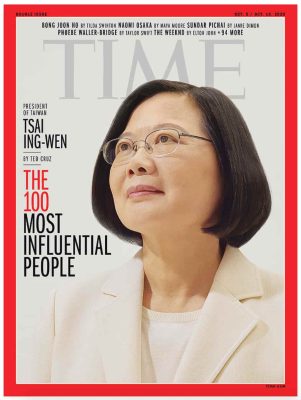
As Taiwan’s first female head of state since the dawn of direct presidential elections in 1996, Tsai Ing-wen presided over an era of unprecedented geopolitical vertigo. To Western capitals, she became a singular icon of democratic defiance—the “Taiwanese Iron Lady” who systematically dismantled Beijing’s “One Country, Two Systems” narrative, spearheaded the island’s historic indigenous submarine program, and marshaled the celebrated “Mask Diplomacy” that filled global public health voids during the dark early days of the pandemic.
作為台灣自 1996 年總統直選以來的第一位女性國家元首,蔡英文執政於一個地緣政治極度令人暈眩的時代。在西方各國領導人眼中,她是民主對抗威權的獨特圖騰——這位被譽為「台灣鐵娘子」的領袖,系統性地瓦解了北京的「一國兩制」敘事、主導了台灣歷史性的潛艦國造計畫,並在疫情初期全球公共衛生陷入真空的黑暗時刻,發動了備受讚譽的「口罩外交」。
Frequently ranked among the world’s most powerful women, Tsai’s political persona—affectionately dubbed “Chili Taiwan Sister (la tai mei)” by her electorate—combined a technocratic coolness with an unyielding sovereignty posture.
蔡英文多次蟬聯全球最具權勢女性榜單,她的政治人格——被台灣選民親切地稱為「辣台妹」——結合了她技術官僚的冷靜理智,與不容妥協的主權姿態。
Yet, to perceive Tsai Ing-wen merely as an anomalous meteor streaking casually across Asia’s predominantly patriarchal skies is to fundamentally misread the subaltern soil that nurtured her. Tsai was by no means an isolated historical exception; she stood as the physical embodiment of Taiwanese society’s relentless progress, cultivated over decades from the very ruins of authoritarianism.
然而,若僅將蔡英文視為在亞洲普遍家父長制的天空中,偶然劃過的一顆異類流星,那是根本上誤讀了孕育她的這片土壤。蔡英文不是一個孤立的歷史例外,她是整個台灣社會數十年來在威權廢墟中頑強進步、最終開花結果的具象化。
Beyond the presidential office, Taiwan has quietly engineered the most progressive gender landscape in Asia, constructing a societal matrix where female agency is backed by hard institutional gravity. Today, women occupy over 41% of the seats in Taiwan’s Legislative Yuan🔗—a political representation rate that dwarfs the global average and leaves neighboring democracies like Japan and South Korea far behind.
在總統府之外,台灣也早已悄然構築出一幅亞洲最進步的性別景觀,一個由強大制度引力所支撐的女性主體性。如今,台灣立法院的女性席次超過 41%——這一政治代表率不僅讓全球平均值相形失色,更將日本、韓國等鄰近民主國家遠遠拋在身後。
This is not merely a top-down cosmetic quota; it is mirrored in the engine rooms of the economy. Nearly 37% of Taiwan’s small and medium-sized enterprises—the very spine of the island’s economic miracle—are owned or steered by women.🔗 From the sterile grid of semiconductor cleanrooms to the frontline ministries navigating gray-zone warfare, female leadership in Taiwan is not a concession of progressive tokenism, but an indispensable asset of national survival.
這絕非由上而下、僅供妝點門面的進步配額,而是真切映射在經濟運作的引擎室中。台灣經濟的真正脊梁——中小企業——有高達近 37% 是由女性擁有或掌舵。從半導體無塵室的無菌網格,到應對灰色地帶衝突的前線部隊與部會,台灣的女性領導力從不是為了政治正確而做出的讓步,而是國家生存不可缺少的防衛資產。
This striking reality forces an urgent civilizational question: How did an island steeped in traditional Han Confucianism, subjected to decades of martial law, and marooned on the geopolitical periphery become Asia’s undisputed vanguard of gender equality?
這一令人震撼的事實,使我們必須提出一個迫切的文明叩問:一個曾深植於漢人儒家傳統、經歷過數十年戒嚴、且在國際地緣政治長期被孤立的島嶼,為什麼成為亞洲無可爭議的性別平權先鋒?
The answer does not lie in a sudden, passive adoption of Western liberal dogma. Instead, it is found in the unique, volatile physics of the island itself.
答案並非源於對西方自由主義教條的突然、被動地移植。相反地,它存在於這座島嶼自身獨特且劇烈的歷史物理學中。
It is a story of indigenous matriarchal DNA resisting imperial erasure, of a rapid transition into high-tech industrialization that put economic autonomy directly into the hands of women, and of a democracy that realized early on that in order to survive the suffocating embrace of an authoritarian superpower, it had to become the freest, most inclusive version of itself.
這是一段台灣原住民母系基因抵抗帝國馴化與抹除的故事,也是一場在高速轉型為高科技工業化過程中,女性硬生生將經濟自主權奪回掌心的覺醒,更是一個在地緣政治生存威脅下,驚覺自己必須成為最自由、最包容的靈魂,才能抗衡威權大國窒息擁抱的民主實踐。
The Imperial Taming and the Primal Balance: From Agrarian Tilt to Multiple Colonial Gravities
帝國馴化與原初天平:從採集文明到多重殖民的歷史重力
In the grand arc of anthropology, the birth of gender inequality was not a random historic accident, but a structural tilt induced by economic shifts.
在人類學的宏大視野中,性別不平等的誕生並非歷史的隨機事件,而是一場因經濟模式轉變而誘發的結構性傾斜。
Let us turn the clock back ten thousand years to the era of hunting and gathering: within that temporal landscape defined only by campfires and stars, male hunting provided high-calorie protein, but female gathering secured up to seventy percent of the community’s baseline caloric intake in years of drought or flood. In a state of perpetual migration, humans could not accumulate immovable property; hierarchies and walls did not yet exist. Men and women maintained a value-equivalent “primal balance”🔗 dictated by sheer survival.
讓我們將時鐘撥回萬年前的狩獵採集時代,在那個由營火與星空定義的時空裡,男性的狩獵提供了高熱量的蛋白質,但女性的採集卻保障了社群在旱澇之年高達七成的基礎熱量。在永無止境的遷徙中,人類無法累積帶不走的財產,階級與高牆尚不存在,男女在純粹的生存壓力下,維繫著一種價值對等的「原初平衡」。
The Dragon’s Shackle and the Crucible of Suffering: Orthodoxy, Autocracy, and the Unifying Feminine Soul
龍的枷鎖與苦難的熔爐:中華正統下的窒息與跨族群女性韌性的定錨
The post-WWII Cold War defensive perimeter propelled Taiwan into another, even more precise authoritarian formatting. As the Nationalist government collapsed in the civil war and retreated to this Pacific island, Chiang Kai-shek’s regime enforced a 38-year martial law to consolidate its ruling legitimacy.
二戰後的冷戰地緣防線,將台灣推進了另一場更為精密的威權格式化。隨著國民政府在內戰中潰敗、撤退至這座太平洋島嶼,蔣介石政權為了鞏固其統治的合法性,在台灣實施了長達 38 年的戒嚴。
Especially when the opposite side of the strait unleashed the Cultural Revolution that destroyed all tradition, the party-state apparatus in Taipei naturally branded itself as the sole orthodox guardian of “Chinese culture and Confucian orthodoxy.” Under the overarching national myth of the “Descendants of the Dragon,” a rigid, respect-and-order hierarchy of Han Confucian ideology was forcibly injected into every cell of Taiwanese society through the Educational State Apparatus.
尤其是當海峽對岸掀起破壞一切傳統的「文化大革命」時,台北的黨國體制順理成章地將自己標榜為「中華文化與儒家道統」的唯一正統守護者。在「龍的傳人」這套宏大國家神話下,一整套僵固的、尊卑有序的漢人儒家階級思想,透過國家教育機器強制灌輸進台灣社會的每一個細胞。
This was a more tightly sealed mental shackle. Within the “model family” and “womanly virtue” narratives constructed by the party-state, women were once again defined as a domestic appendage to the state—they were expected to be docile housewives, whose supreme value lay in breeding a submissive next generation for the “counter-attack the mainland” military machine. Gender equality and human rights advocacy during that white-terror era were directly labeled as “leftist subversion” or “undermining the foundation of the state.”
這是一道更為嚴密的精神枷鎖。在黨國建構的「模範家庭」與「婦德」敘事中,女性再度被定義為國家的後方附庸——她們被期許成為溫順的家庭主婦,其最高價值是為「反攻大陸」的軍事機器孕育順服的下一代。性別平權與人權倡議,在那個肅殺的年代被直接貼上「左翼顛覆」或「動搖國本」的標籤。
Even as the party-state politically implemented a ‘divide and rule’ strategy—stamping household registries with the rigid ethnic labels of ‘Mainlander, Hoklo, Hakka, and Indigenous’ to artificially manufacture domestic divisions—the authoritarian rulers failed to anticipate a foundational truth: sharing the same vessel and concurrently confronting both natural and man-made catastrophes, the people would inevitably gravitate toward solidarity. This was true above all for the women; it was true above all for the mothers who learned to lean into one another for survival.
即便黨國體制在政治上刻意對人民實施「分而治之」的分化策略——在戶籍上分別烙印外省、本省、客家、山地山胞、平地山胞的族群標籤,以人為製造矛盾——但威權統治者從未料到的是,同在一條船上、共時面對天災人禍的命運,島民的生命本能就是會走向團結,尤其是女性,尤其是為保護孩子的媽媽們。
When the colossal shadow of the White Terror 🔗 enveloped the island, countless families were shattered overnight, their patriarchs arrested, executed, or exiled to Green Island. During this dark period of collectively confronting suffocating oppression, the destinies of women from different ethnic backgrounds, once fractured by official labels, inevitably intertwined, collided, and ultimately fused into one within the abyss of suffering.
當「白色恐怖」的巨大陰影籠罩整座島嶼,無數的家庭在一夜之間支離破碎,家裡的男主人被捕、槍決、或流放綠島,在這段集體面對窒息性壓迫的黑暗時期,原本被官方標籤撕裂的各族群女性,命運開始不可避免地在苦難的深淵裡交織、碰撞,並最終融合成一體。
Visualize the suffocating atmosphere of that high-pressure, cross-ethnic epoch: in the dense mountain forests, Indigenous women bore the catastrophic trauma of executed chiefs, fathers, and husbands, witnessing their ancestral lands confiscated by the state and their proud heritage systematically criminalized and marginalized.
試著凝視那個跨越族群、令人窒息的高壓時空。在深邃的山林裡,原住民女性默默承受著頭目、父親與丈夫被清洗的滅頂之災,目睹祖代土地被黨國收編,從小驕傲的文化在體制中被強制禁絕與歧視。
Across Hoklo and Hakka rural settlements, Taiwanese and Hakka women sustained broken agrarian communities; having lost their men to authoritarian purges, they choked back tears in the dead of night, only to sweat blood in the fields under the morning sun, carrying their infants on their backs.
在閩客的常民聚落裡,本省與客家女性硬生生撐起因威權肅清而失去男人的破碎農村——她們在黑夜裡壓抑著哭聲,白晝則揹著孩子繼續在烈日下的田裡揮汗如雨。
Concurrently, displaced Mainlander women, who had fled the horrors of the civil war, saw their husbands and fathers targeted by political purges and ideological cleansing, plunging them into sudden, isolated destitution in an alien land.
與此同時,那些在內戰慘劇中驚恐逃難、流離至此的外省女性,其丈夫與父親同樣遭到政治整肅與思想清洗,讓她們在異鄉瞬間跌入孤立無援的深淵。
Meanwhile, the hundreds of thousands of proletarian Mainlander conscripts who arrived in the grand collapse were absorbed into marriages with local Taiwanese and Indigenous women, forging raw, resilient subaltern families in the cracks of history.
而那些在大崩潰中隨軍來台、數十萬無產的外省基層男兵,則與無數本省、原民女性通婚,共同在歷史的夾縫中鍛造出跨越省籍、粗糲而堅韌的庶民家庭。
These mothers, who initially spoke entirely different tongues, leaned into one another beneath the systemic terror of the White Terror, much as they would face the island’s typhoons, floods, earthquakes, and blackouts—except this time, they were confronted with a man-made disaster that seemed utterly endless.
這群原本說著不同母語的母親們,一起在白色恐怖的驚恐中互助依偎,如同一起面對島嶼上的颱風、水災、地震、停電——只是這一次,她們面對的是一場彷彿永無止境的人為浩劫。
This shared historical crucible of suffering forcibly forged the disparate traits and memories of women from vastly different worlds into a singular forge: the lighthearted resilience of Indigenous women and their sensory bond with the earth; the fierce endurance and neighborhood solidarity of Hoklo and Hakka women; and the blood-and-tear memories of mothers left behind in mainland China, etched deep into the souls of hundreds of thousands of displaced proletarian conscripts who feared they would never see them again.
「共同面對」苦難的歷史經驗,硬生生地將不同背景的女性特質與記憶,鍛造進同一個熔爐:原民的豁達與對大地的感應、本省與客家女人的強悍吃苦與鄰里互助,以及那數十萬流離基層男兵靈魂深處,對遠留中國、此生恐再難相見的母親的血淚記憶。
In that authoritarian era when male heads of households were routinely silenced, vanished, or executed, it was precisely the warmth, resilience, defiance, and grace of these mothers that provided the only flickering warmth beneath the cold iron hooves of the party-state regime.
在那個男主人普遍失聲、失蹤、或死亡的威權年代,正是母親們的溫暖、堅韌、強悍、包容,在冰冷的黨國鐵蹄下,提供了台灣社會僅有的溫度。
This anchored the collective character of contemporary Taiwanese—a temperament defined by resilience, pragmatism, inclusivity, and deep-seated decency—while leveraging this cross-ethnic female fortitude to nurture and sustain the island’s next generation. It was precisely this constellation of mothers, leaning into one another for survival amidst the suffocating terror of the state, who sowed the foundational democratic empathy that later animated Taiwan’s civil society. Because of them, the soul of this island refused to capitulate, remaining unvanquished in its darkest hour.
這定錨了當代台灣人「堅韌、務實、包容、厚道」的集體性格,更用這份跨越族群的女性韌性,哺乳並養育了台灣的下一代。正是這群在白色恐怖中互助依偎的母親,種下了後來台灣公民社會最深厚的民主同理心,讓這座島嶼的靈魂在最黑暗的時刻,從未真正沉淪。
This subtext of island resilience is often misread by cultural fatalists as a legacy of Confucian benevolence and submissive righteousness. Yet, this is the ultimate historical fallacy of credit-stealing: attributing the sheer survival of the enslaved to the benevolence of the master’s whip.
這種源於歷史浩劫的島嶼性格,常被抱持文化宿命論的反對者誤讀為中原儒家「仁義禮讓」的遺產。然而,這是將奴隸的生命力歸功於奴隸主鞭子的歷史謬論——實質上是竊取了倖存者的血淚功勞。
To an imperial ruler, ‘benevolence and righteousness’ are only invoked under two structural crises: either when the regime’s economic surplus is exhausted, rendering brutal coercion unsustainable and forcing the crown to weaponize ‘morality’ to manage scarcity; or when external threats loom, and the sovereign requires the bodies of the subjugated to act as cannon fodder under the guise of filial patriotism.
對帝國統治者而言,高談「仁義禮讓」僅會發生在兩種結構性危機之中:一是當政權的內部資源耗盡時,高壓統治難以為繼,逼得君王不得不將「道德」武器化,藉由歌頌基層的忍耐與犧牲,來管控資源匱乏引發的動盪。二是當外在威脅步步逼近時,統治者需要被奴役者的肉身充當砲灰,於是利用宗法倫理進行道德綁架,將順民逼上戰場,以捍衛統治階級的政權。
Confucianism, once institutionalized and weaponized as a tool of the imperial state, became a power-control apparatus precision-engineered to serve rulers and the governing elite. The historical market of this ideology has never been the welfare of the public; rather, it was developed as the lowest-cost matrix for autocratic stability. By forcibly binding filial piety with blind loyalty, it weaponized family ethics into state control—framing dissent against the sovereign as an immoral act of unfilial rebellion, ensuring that rulers could occupy the apex of power in perpetuity.
The Cold War Grid and the Sovereign Paycheck
冷戰的全球網格 主權自決的獨立薪水袋
While the Western world of the 1970s was immersed in the intellectual tempest of “Second-Wave Feminism,” inside university lecture halls and salons on both sides of the Atlantic, feminists held the works of Simone de Beauvoir and Michel Foucault, radically deconstructing language, symbols, and the power networks of domestic institutions. They declared “the personal is political,” launching strikes against reproductive bondage and the housewife apparatus. This magnificent tide laid a profound theoretical foundation for global gender equality.
當 1970 年代的西方世界沉浸在「第二波女性主義」的智識風暴中,大西洋兩岸的大學校園與沙龍裡,女性主義者們透過文字與辯論,解構語言、符號與家庭制度的權力網絡。人們高喊「個人即政治」,致力於將女性從傳統的家庭角色中解放。這場波瀾壯闊的思潮,為全球性別平權奠定了深刻的理論基石。
At nearly the exact same time, Taiwan, on the western rim of the Pacific, was undergoing a transformation of its gender landscape that was different in path but equally seismic—it was not an ideological discourse launched by academia, but a grassroots practice carved out by the hands of millions of working women.
而幾乎在同一時間,太平洋西側的台灣,則經歷著一場路徑不同、卻同樣震撼的性別地景重塑——不是一場由學院發動的思想論證,而是一場由百萬勞動女性用雙手拼搏而出的常民實踐。
With the outbreak of the Korean War, Taiwan was abruptly integrated into the global trading architecture along the U.S. Cold War containment line, triggering an astonishing, high-speed industrial leap. From the light industrial textile mills of the Kaohsiung and Nanzih Export Processing Zones to the freezing, sterile silicon grids of the Hsinchu Science Park, millions of young Taiwanese women fled the deeply patriarchal constraints of traditional agrarian villages to join the assembly lines en masse.🔗
隨著韓戰爆發,台灣在冷戰防線上被美國納入全球貿易體系,這座島嶼自此啟動了高速工業化的驚人跨越。從高雄、楠梓加工出口區的輕工業紡織廠,到後來新竹科學園區那如同網格般冷冽無菌的半導體無塵室,無數台灣年輕女性逃離重男輕女的傳統農村,大規模走進生產線。
This marked a monumental spatial decolonization. These island daughters—once shackled within the shadowed ancestral halls of feudal clans or carrying infants on their backs under the morning sun—now delivered their acute sensory focus and resilient bodies to the precision of assembly chains and semiconductor matrices. Harnessing a meticulous efficiency lauded by foreign capital, they secured their very first independent paychecks, permanently tilting the ten-thousand-year scales of agrarian patriarchy to reclaim their autonomy and subjectivity.
這是一場波瀾壯闊的空間解殖:那群曾被封建宗法鎖在陰暗廳堂、在烈日田裡背著孩子的島嶼女兒,開始將她們敏銳的感官與強韌肉體,交付給精密組裝線與矽晶圓矩陣。她們憑藉外商也讚譽有加的細心效率,換回自己生平第一份獨立的薪水袋,硬生生地在跨越萬年的農耕父權天平上,為自己扳回了尊嚴與主體性的砝碼。
This paycheck served as the material lever for the tectonic ascent of Taiwanese female subjectivity. Once women were no longer forced to tether their destinies to the benevolence of a patriarchal family, and once their wages became the financial backbone of the household—often funding the higher education of their male siblings—the absolute power structures within the traditional family underwent an irreversible fracturing and realignment. This was not a simplistic inversion of dominance, but rather the death knell of patriarchal monopoly, forcing the domestic sphere into a brand-new normal defined by cross-examination, negotiation, and equilibrium.
這份薪水,是台灣女性主體性崛起的實體槓桿。當她們不必再將命運依附於父權家庭的恩賜,當她們的工資成為支撐家庭經濟的脊梁,甚至供養了兄弟們接受高等教育時,傳統家庭內部的絕對權力結構,開始發生無法逆轉的解體與重新洗牌。儘管這不是一場權力的顛覆,但確實是獨尊父權宗法神話的終結,迫使傳統家庭結構自此走向必須相互協商、平權對抗的全新常態。
As this wave of economic autonomy rippled from the factories into every corner of society, Taiwan’s landscape underwent profound qualitative changes. The traditional structure that relied on a lone male economic pillar was swiftly replaced by the burgeoning phenomenon of “dual-income families.” Fueled by urbanization and commercialization, the fierce resilience of Taiwanese women erupted onto broader commercial battlefields. Across alleyways and streets, countless food stalls, breakfast shops, and retail storefronts managed independently by women began to appear. They were both mothers and shrewd entrepreneurs; they raised their children while building their own economic kingdoms before boiling pots and ledger books.
隨著這股經濟自主的浪潮從工廠蔓延到社會的每一個角落,台灣的地景也開始發生深刻的質變。原本以男性為唯一經濟支柱的傳統結構,迅速被蓬勃發展的「雙薪家庭」所取代。在都市化與商業化的推波助瀾下,台灣女性的強悍與韌性在更廣闊的商場上爆發。在大街小巷裡,開始出現無數由女性獨當一面經營的小吃攤、早餐店與零售商號。她們既是母親,也是精明的老闆;她們一邊拉拔養大孩子,一邊在滾燙的油鍋與記帳本前,建立起屬於自己的經濟王國。
This “everyday feminine awakening” laid the most tender yet fierce civil society soil in Asia.
這種「常民式的女性覺醒」,為台灣鋪墊了亞洲最溫厚也最悍勇的公民社會土壤。
It ensured that Taiwanese gender awareness did not need to depend on abstruse theoretical constructs, but was deeply rooted in the survival wisdom and economic independence of daily life. This group of women, who distilled dignity from assembly lines and street storefronts, not only altered the micro-structures of the Taiwanese family but also converged with the roaring democratization movements of the 1980s, tightly suturing female subjectivity to the collective yearning for popular sovereignty and a just society.
這也讓台灣的性別意識不需要依賴深奧的理論建構,而是深深紮根於日常生活的生存智慧與經濟自主中。這群在工廠生產線與街頭商號裡淬鍊出尊嚴的女性,不僅改變了台灣家庭的微觀結構,更與 1980 年代風起雲湧的民主化運動匯流,將女性的主體性,與「追求主權在民、建立公平社會」的集體渴望緊密地縫合在一起。
Washington’s Gravity and the Structural Awakening: Democratization and Female Statecraft
華府重力與制度覺醒:冷戰邊緣的民主化與女性參政
Entering the 1980s, Taiwan’s political terrain experienced its most violent tremor since the end of the Second World War. Caught between international diplomatic isolation and domestic anti-regime movements, the island initiated a stunning awakening toward a democratic system.
進入 1980 年代,台灣的政治地殼迎來二戰後最劇烈的搖晃。在國際外交孤立與島內反體制運動的雙重夾擊下,這座島嶼開始了向民主體制的驚人驚蟄。
Within this wave of democratic transition, women were no longer merely backyard supporters; they became critical engines leaping across the frontlines. This cohort of Taiwanese women, raised under the dual compression of traditional Chinese Confucian and party-state autocracy, understood more cut-to-the-bone than anyone what the “suffering of structural oppression” meant—whether it was the deprivation of property rights and parental authority via the Civil Code, or the confinement of the free soul by politics. The moment the cracks of democracy ripped open, their desire for liberty and equality erupted with an unyielding posture.
在這場波瀾壯闊的民主化轉型中,女性不再只是後方的支持者,而是成為跨過前線的關鍵發動機。這群在傳統中華儒家道統與黨國威權雙重壓迫下成長的台灣女性,比任何人更切膚地懂得什麼是「制度壓迫的苦」——不論是法律上《民法》對女性財產權與親權的剝奪,還是政治上對自由靈魂的禁錮。當民主的裂縫一拉開,她們對自由與平等的渴望,便以最不妥協的姿態噴湧而出。
Simultaneously, this domestic gender and political democratization was pulled by an invisible yet powerful tractor beam of international geopolitics.
與此同時,這場島內的性別與政治民主化,正受到國際地緣政治一條無形卻強大引力的牽引。
As the Cold War drew to a close, the U.S. Congress and the Washington diplomatic circle began to substantively link “human rights records” to diplomatic support and, crucially, arms sales for Taiwan.🔗 To survive within the perimeter of trust of Washington’s geostrategic orbit, the autocratic government in Taipei faced immense external pressure, forced to make substantive rectifications regarding human rights and freedom. This geopolitical “Washington gravity” unexpectedly carved out a legitimate legal and political arena for the Taiwanese feminist and human rights movements.
隨著冷戰進入末期,美國國會與華府外交圈開始將台灣的人權狀況,與對台的外交支持、甚至是至關重要的軍售實質掛勾。為了在華府地緣戰略的信任圈內存續,台北的威權政府因此面臨巨大的外部壓力,被迫必須在人權與自由度上做出實質修正。這一源於華盛頓的地緣政治重力,也意料之外地為台灣的女性主義與人權運動,在威權縫隙中強行墾殖出一塊,具備合法性的法理與政治戰場。
It was precisely at this historical singularity that Taiwan welcomed a new generation of female intellectual elites. Throughout the 1980s and 1990s, a large number of female scholars who had studied in the West around the lifting of martial law—experiencing firsthand the baptism of Western third-wave feminism and civil rights movements—returned to the island en masse. They arrived with progressive legal theories, sociological lenses, and policy tools, systematically stepping into the public eye.
正是在這段歷史的奇異點上,台灣迎來了新一代的女性知識菁英。1980 至 1990 年代,大批在台灣解除戒嚴前後留學西方、親身經歷歐美第三波女性主義與民權運動洗禮的台灣女性學人,開始大規模地歸國。她們帶著進步的法學理論、社會學視角、政策工具,系統性地進入台灣的公眾視野。
In this uncompleted march of decolonization, the collective institutional ascent of Taiwanese women advanced with fierce historical momentum. Their initial entry into the political arena was often forged in the crucible of state violence following the White Terror and the Formosa Incident. In the catastrophic wake of their husbands and fathers being purged and hunted by the regime, these women resolutely tore up the submissive scripts of feudal propriety. Rising to ‘campaign in place of their imprisoned men,’ they defiantly stepped onto the razor-sharp battlegrounds of authoritarian elections, forcibly forging raw human suffering and tears into a mandate of political legitimacy that the regime could neither break nor ignore.
在這場解殖長征中,台灣女性在體制內的集體隆起,展現了最剛猛的歷史進程。她們最初的現身,往往伴隨著白色恐怖與美麗島事件後的國家暴力——在丈夫與父親被政治整肅、政治追殺的滅頂之災下,這群女性毅然撕碎封建溫良的劇本,以「代夫出征」的悲壯姿態,挺身步入刺刀見紅的威權選戰,將常民的苦難與眼淚,錘煉成威權體制無法直視的政治授權。
Subsequently, they evolved far beyond mere street dissidents, executing a sophisticated command of bureaucratic statecraft. This elite cadre of women marched en masse into parliament, secured cabinet-level technocratic posts, and established pioneering NGOs to execute a monumental overhaul of the state’s legal architecture.
隨後,她們不僅是走上街頭的抗爭者,更展現了極高的技術官僚智慧。這群女性菁英大規模進軍國會、擔任政務官、成立前瞻性的非政府組織,開始著手對傳統法律結構進行「制度大修」。
They drove the historic overhaul of the Family Code within the Civil Law, thoroughly dismantling Han patriarchal privileges that gave husbands unilateral custody of children, assets, and the right to dictate a wife’s surname. They engineered Asia’s first Domestic Violence Prevention Act, violently tearing down the feudal shroud of ‘the law does not cross the domestic threshold.’ They enacted the Sexual Assault Crime Prevention Act, de-feudalizing the notion of female chastity and reconstructing it as an inviolable right to personal ‘sexual autonomy.’ Furthermore, they aggressively pushed through the Act of Gender Equality in Employment, permanently outlawing the discriminatory ‘single or non-pregnant clauses’ that had stifled countless careers, leveraging state power to ruthlessly safeguard the economic sovereignty of these daughters who had fled the fields. With legal scalpels of unrivaled precision, they systematically excised the feudal toxins embedded beneath the state apparatus, reinforcing Taiwanese democracy with a framework of absolute structural equality.
她們推動《民法親屬編》的歷史性翻修,徹底瓦解了「妻冠夫姓、財產與子女監護權獨尊夫家」等漢人宗法特權;催生出亞洲第一部《家庭暴力防治法》,撕碎中華文化「法不入家門」的封建遮羞布;制定《性侵害犯罪防治法》,將貞操觀念去封建化、重構為神聖不可侵犯的「個人性自主權」;通過《性別平等工作法》,全面廢除職場上扼殺無數女性生涯的「單身、禁孕條款」,以國家建制捍衛這群走出農村的女兒們的經濟主權。這群女性菁英以無比精準的法理手術刀,層層剝離潛伏在國家體制地表下的封建餘毒,為台灣民主注入了最剛韌的平權鋼骨。
By the late 1990s, the percentage of women participating in Taiwanese politics stood unrivaled in Asia. This collective tectonic rise of female elites within the system not only completely rewrote the landscape of representative politics, but also deeply bound “gender equality” to “the sovereign subjectivity of Taiwanese democracy” within the collective consciousness.
到 1990 年代末期,台灣參政的女性比例已在亞洲傲視群倫。這群女性菁英在體制內的集體隆起,不僅徹底改寫了台灣的代議政治地景,更在社會的集體意識中,將「性別平權」與「台灣民主的主權主體性」深深地綁定在一起。
The Patriarchal Subjugation: Downscaling Taiwan to the “Younger Brother”
宗法馴化:將台灣降格為「小弟」的權力圈套
Yet, the island today remains enveloped by the deeply rooted shadow of Chinese ideology; an uncompleted march of decolonization continues its perilous journey in the dark—a domestic crisis whose historical coordinates are profoundly entangled with a geopolitical fault line.
然而,這座島嶼至今仍被根深蒂固的中華思想陰影所籠罩,一場未竟的解殖長征,依舊在黑暗中進行著凶險的跋涉,而且深刻地交織在地緣政治的斷層之中。
The historical coordinates of this crisis are profoundly entangled with a geopolitical fault line: ever since the People’s Republic of China expelled Chiang Kai-shek’s representatives from the United Nations in 1971 to seize the international legal status of ‘legitimate China,’ Beijing has maliciously weaponized this monopolized ‘imperial orthodoxy’ alongside traditional Chinese culture.
自從一九七一年中華人民共和國在聯合國驅逐蔣介石的代表、全面奪取「正統中國」的國際法主權地位之後,北京便開始將這套壟斷的「天朝正統」與傳統中華文化進行惡意綁定。
Beginning in the Jiang Zemin and Hu Jintao eras, the CCP systematically shelved Cold War Maoist dogmas to precision-harvest the submissive and exclusionary feudal genes of traditional Sinitic culture. By funding ‘Yanhuang Ancestry’ root-seeking pilgrimages to the Yellow Emperor’s tomb, weaponizing grassroots folk religions like Mazu and Guanyin, and raising the United Front banner of ‘propagating Chinese culture to strengthen spiritual ties,’ Beijing attempted to downscale Taiwan’s democratic autonomy into an unfinished irredentist tragedy of Greater China.
從江澤民、胡錦濤時代開始,中共全面收起冷戰時期的毛式共產教條,轉而精準獵取傳統中華文化中的封建基因——他們資助「炎黃子孫」的黃帝陵尋根、操弄媽祖與關公等神明信仰進行民間綑綁,並高舉「弘揚中華文化,加強精神紐帶」的統戰大旗,企圖將台灣的民主自主權,降維矮化為「大中華歷史未竟的悲情敘事」。
Under Xi Jinping, this apparatus culminated in the pervasive, composite cognitive warfare of ‘both sides of the strait belong to one family’ and the ‘Great Rejuvenation of the Chinese Nation.’ Beijing is leveraging news, short videos, entertainment media, and local political proxies in an attempt to reformat and drag this already democratized, Westernized Taiwan [INDEX] back into the traditional Han Confucian patriarchal system of rigid hierarchies—of ruler and subject, father and son.
到了習近平時代,這套統戰更進一步集大成演變為「兩岸一家親」與「中華民族偉大復興」的複合式認知戰,利用新聞、短影音、娛樂媒體以及在地的政治代理人,企圖重新格式化,將這個已經民主化、西化的台灣,強行拉回傳統漢人儒家宗法那尊卑有序、君臣父子的僵固階級體制中。
Under this retrograde ideological gravity, existential geopolitical gambles and international legal relations are crudely reduced and distorted into absurd family-ethics narratives like ‘China and Taiwan are two brothers’ or ‘China is proposing to Taiwan.’
在這種倒退的思想重力下,攸關生死存亡的地緣政治博弈與國際法關係,被扭曲為諸如「兩岸是兩兄弟」或「中國正在向台灣求婚」等荒謬的家庭倫理敘事。
Furthermore, although Taiwan has completed the democratization of its political structures, it has long failed to comprehensively reconstruct its history and geopolitical positioning through the lens of a mature civil society and human rights subjectivity; instead, the establishment and mainstream political discourse remain tethered to the Sinitic feudal narratives engineered by the former Chiang regime.
而台灣雖然在政治結構上完成了民主化,卻長期未能從公民社會與人權主體性的視局,去全面重構自身的歷史與地緣政治定位。相反地,建制派與主流政論仍大量沿用蔣氏政權時代所閹割、創造的中華封建敘事。
This incomplete mental decolonization leaves Taiwan practically paralyzed when confronting the sophisticated web of Beijing’s patriarchal United Front tactics. Stripped of an autonomous conceptual defense, internal political entities find themselves utterly trapped within the enemy’s Confucian framework, offering nothing but pale, submissive retorts deeply rooted in family ethics—such as ‘we share the same origin, but brothers can choose to live in separate houses’.
這種精神解殖的半途而廢,導致台灣在面對中共精心編織的家族統戰網格時,幾乎毫無精神招架之力——島內許多政治實體甚至無法跳脫宗法框架,只能在對方的封建邏輯裡,卑微且蒼白地提出「兩岸同源、但兄弟可以分家」等自廢主權的家庭倫理申辯。
While the CCP wraps its ambitions in the sugary coating of ‘shared bloodlines and common ancestry,’ its relentless suffocation of Taiwan’s international space has never shown a shred of familial warmth, laying bare its true intent: the cold, systematic institutional elimination of the Republic of China (Taiwan) .
而儘管中共口口聲聲高舉「同文同種、血脈相連」的溫情糖衣,但在國際生存空間的掠奪上,卻從未有過絲毫的「家族」溫厚,徹底暴露其真實意圖——這是一場對「中華民國台灣」所進行的冷酷無情的制度消滅。
Across global athletic and cultural arenas, Taiwan has been forcibly stripped of its statehood, coerced into the subaltern pseudonym of ‘Chinese Taipei’.🔗 Even during the catastrophic 1999 921 Earthquake, as over two thousand citizens perished in the ruins, Beijing brazenly weaponized ‘sovereignty’ to obstruct international life-saving aid and deny sovereign airspace to foreign rescue teams, executing a brutal political blackmail while victims remained trapped under the rubble.
在國際體育與文化賽事中,台灣被強行剝奪國格,只能屈辱地以「中華台北」隱姓埋名;一九九九年台灣發生嚴重的九二一大地震,導致兩千多人不幸罹難,北京竟以「主權」為由,在國際間強力阻撓各國對台灣的生死救援、拒絕援助飛機飛越領空,在黃金救援時間進行殘酷的政治勒索。
The definitive catalyst that triggered the collective awakening of the island’s soul occurred in 2003 during the SARS outbreak, when Taiwan was abruptly isolated from the global health network. As Taiwan fought for basic survival outside the World Health Assembly (WHA) venue, a journalist questioned the mainland delegation. Chinese diplomat Sha Zukang turned with sneering disdain and barked the infamous words: ‘It was rejected long ago! Didn’t you hear the assembly’s decision? Who cares about you people!’ 🔗
逼使台灣集體覺醒的轉折點,是二〇〇三年 SARS 疫情肆虐,台灣被中國隔絕於全球防疫網之外,當台灣在世界衛生大會外爭取基本生存權時,中國外交官沙祖康面對記者的質問所露出的鄙視嘴臉:「早就給拒絕了!沒聽到大會做的決定嗎?誰理你們!」
This tyrannical exclamation—’Who cares about you people!’—abruptly shattered generations of cultural illusion on the island. It laid bare a chilling truth: within the Sinitic patriarchal grid, there is no brotherly love, only a binary of total subjugation or erasure.
那句蠻橫的「誰理你們!」徹底震破了島嶼長達數個世代的文化幻覺——它赤裸地向台灣人揭示:在天朝的宗法網格裡,根本沒有手足情深,只有順我者昌、逆我者亡的奴役與佔有。
From 2008 to 2016, Ma Jing-jeou—who had once fiercely championed the KMT’s authoritarian interests in the early 1990s by opposing direct elections in favor of an indirect ‘delegated election’ system—ironically served two terms as a popularly elected president. Under the banner of ‘boosting the economy,’ the Ma administration meticulously engineered a path for Taiwan to voluntarily step into the patriarchal and economic framework dictated by Beijing.
二〇〇八年至二〇一六年,曾於 90 年代極力為黨國護航、反對直選而力推「委任直選」的馬英九,極其諷刺地兩度當選全民直選總統。馬政府以「拼經濟」為名,處心積慮要讓台灣自願走進北京設定的宗法與經濟框架。
In 2013, bypassing and blindsiding both parliament and civil society, the Ma government covertly signed the Cross-Strait Service Trade Agreement with China, instantly igniting the long-simmering fury of the legislature and the citizenry. In 2014, refusing to allow their sovereignty and economic autonomy to be castrated once more, students and citizens launched the historic Sunflower Movement. Occupying the parliament with their bare bodies, they rapidly galvanized spontaneous, nationwide solidarity from the broader public and civic organizations.
二〇一三年,馬政府在刻意隱瞞國會與公民社會的情況下,黑箱與中國簽署《海峽兩岸服務貿易協議》,徹底引爆了國會與人民積壓已久的怒火。二〇一四 年,無法容忍主權與生存權再遭閹割的學生與民眾,悍然發起「318 學運」,以血肉之軀佔領國會,並很快獲得全國民眾與公民團體的自發性聲援。
This occupation swiftly breached the legislative walls, striking a massive grid of total defense across the streets as ordinary citizens poured an inexhaustible stream of logistical, medical, and intellectual support into the core, transforming a localized revolt into a geopolitically defining civil mobilization.
源自學生的佔領迅速跨越出議場圍牆,在大街上撞擊出一個龐大的全面防衛網格,台灣常民社會源源不絕地注入物資、醫療、智識支持,硬生生地將一次街頭逆襲,升格為一場震撼地緣政治的公民全面動員。
This fragile flame of democratic defense instantly collided with the brutal corporeal backlash of the old regime. During the bloody midnight crackdown at the Executive Yuan, countless unarmed students were violently dragged into the blind spots behind riot shields by the Ma administration’s police force and savagely beaten. Broadcasted in real-time through the matrix of cellular networks, these visceral images of state violence sent shockwaves tearing through the national and global conscience.
這場因捍衛民主而點燃的火苗,很快地遭遇舊體制殘暴的肉體壓制。在行政院血腥鎮壓的黑夜中,無數手無寸鐵的學生被馬政府派出的鎮暴警察,強行拖入鐵血盾牌的陰暗死角中兇狠毒打。這幕國家暴力的殘酷畫面,透過網格化的行動網路,以斷崖式的震撼即時放送至全國與國際社會。
Out of this crucible of blood and tearful despair, the rock band Fire EX. penned the historical elegy ‘Island’s Sunrise’: ‘Dear mother, please don’t worry. Forgive me I cannot leave ‘cause I must fight those unforgivable ones. I’m sorry my love, I cannot go to the movies with you. Forgive me I cannot leave, ‘cause I must fight the ones that are making us bleed.’ 🔗
在血與淚的絕望中,搖滾樂團滅火器創作了足以載入歷史的悼詞《島嶼天光》——「親愛的媽媽,請你毋通煩惱我,原諒我,行袂開跤,我欲去對抗袂當原諒的人。歹勢啦,愛人啊,袂當陪你去看電影,原諒我,行袂開跤,我欲去對抗欺負咱的人。」
This agonizingly poignant whisper, reinforced by Fire EX.’s earlier anthem “Good Night, Taiwan”, ignited a phenomenal inversion of maternal consciousness across the historical dimension. From that defining moment onward, “Taiwan” completely bid farewell to the imperial grandeur of the Sino-centric feudal framework. Within the collective sub-consciousness of the common populace, the island was forcefully re-conceptualized into the literal mother of all islanders and the visceral projection of life itself for those they hold most dear.
這段撕心裂肺的動人呢喃,連結到滅火器早期的一首《晚安台灣》,在歷史的維度中引爆了驚人的母體意識翻轉:「台灣」自此徹底告別了中原封建的宏大版圖,在常民的集體潛意識中,具象化為全體島民的母親、與摯愛之人的生命投射。
This marked the ultimate conceptual awakening of the island’s mental decolonization. In previous dark epochs, it was the mothers, aunts, and sisters who, through profound self-sacrifice and unwavering resolve, held these families together and nursed Taiwan’s foundational empathy with tender inclusivity. This time, it was a mature generation of youth vowing to utilize their bare flesh and blood to protect the mother named Taiwan.
這是台灣性別與精神解殖最波瀾壯闊的啟蒙——過去是母親、姑姑、阿姨、姊姊們透過自我犧牲,以堅韌的意志護持住這個家,以溫情包容哺乳了這座島嶼的民主同理心;而這一次,是長大成人的年輕世代,誓言用自己的血肉之軀,盡全力護衛名為「台灣」的母親。
This movement ultimately succeeded in freezing the cross-strait trade pact, fundamentally altering the nation’s geopolitical trajectory. It decisively intercepted the island from slipping into the gravity of China’s strategic orbit, aggressively safeguarding Taiwan’s economic autonomy and completely redrawing the geopolitical and macroeconomic contours of the decade that followed.
這場運動最終成功中斷了兩岸貿易協議,根本性地扭轉了國家的政策走向,阻止了這座島嶼落入被中國戰略軌道套牢、終至窒息的命運。不只守護了台灣的經濟自主權,也徹底改寫了台灣往後十年的地緣政治與經濟軌跡。
This was far more than a historic geostrategic defense; it was a spontaneous, collective mental decolonization by a new generation from both Sinitic feudalism and party-state narratives.
這是一場歷史性的地緣戰略防衛,同時也是一場青年世代自發,對中華封建與黨國敘事的集體精神解殖。
The Decolonial Mandate: Rupturing the Imperial Code of Power
解殖的公民授權:徹底撕裂天朝權力的萬年宗法編碼
This groundswell of civic resolve, forged in blood and tears through a collective vow to protect the island-mother, culminated in a historic tectonic ascent in 2016. Tsai Ing-wen was officially elected as the first female president in the history of the Republic of China (Taiwan).
這股在血與淚中凝聚、誓言守護島嶼母親的常民意志,最終在二〇一六年迎來了台灣歷史性的地殼隆起:蔡英文正式當選中華民國台灣史上首位女性總統。
This landmark victory was no effortless ascent, but rather a collective reconstruction of the island’s shared grief out of repeated ruins. From her defeat in the 2010 New Taipei mayoral race to her heartbreaking loss in the 2012 presidential election, she navigated successive tumbles into historical troughs by exhibiting the ice-cold, stubborn resilience unique to this island. In those dark nights when disillusioned supporters wept openly, she always anchored the collective despair with unflinching composure, comforting the public with her iconic decree: ‘You can weep, but do not lose heart; you can grieve, but do not give up.’
蔡英文的勝選,並非一路順遂,而是在一再挫敗的歷史廢墟中,對全島的悲傷所進行的集體重組——從她二〇一〇年參選新北市長落敗,到二〇一二年總統大選扼腕,蔡英文在接連的重挫與低谷中,展現出屬於這座島嶼特有的冷靜與絕地堅韌。她在支持者淚流滿面的絕望黑夜裡,以無比的溫厚與理智,安慰哭泣的常民:「你可以哭泣,但不要洩氣;你可以悲傷,但不要放棄。」
Dusting herself off, she stood back up, time and again, from the rubble of defeat. When confronting seemingly insurmountable challenges, this unsentimental insistence and fortitude served as more than just her personal political backbone; it profoundly mirrored and anchored the foundational spiritual power that allows Taiwanese society to continuously press forward against the trend under extreme pressure.
拍拍灰塵,她一次又一次在失敗中重新站起。面對各種近乎不可能的艱難挑戰,這種不流於煽情的堅持與韌性,不僅是她個人的政治風骨,更深刻對應、定錨了台灣社會在極致擠壓中,得以持續逆勢前進的最核心精神力量。
Marriage Equality: Taiwan is Taiwan, and Absolutely Not a Part of China
同婚合法化——台灣就是台灣,絕非中國的一部分。
Yet, modern democratic achievements did not erase feudal remnants overnight; the island remained under the shadow of deeply rooted traditional ideology. In 2019, this struggle culminated in an epic, decisive battle at a critical geopolitical moment.
然而,現代化的民主成就並未讓封建餘毒一夜消散,這座島嶼至今仍被根深蒂固的中華思想陰影所籠罩。二〇一九年,這場長征在內外交迫的地緣政治懸崖邊,應聲撞擊出了史詩級的終極決戰。
The totalitarian threat intensified with chilling clarity: in early 2019, Xi Jinping delivered his address commemorating the 40th anniversary of the ‘Message to Compatriots in Taiwan,’ uncompromisingly defining the ‘One Country, Two Systems’ framework for Taiwan while explicitly refusing to rule out the use of military force to achieve it. This officially set off a strategic countdown for annexation.
當時,外在環境的極權黑洞引力正前所未有地加速逼近。二〇一九年初,中國領導人習近平發表《告台灣同胞書》四十周年講話,公然撕下和平假面,強硬定調「一國兩制台灣方案」,正式開啟了吞併台灣的實質倒數。
Concurrently, international media unveiled the horrifying inner workings of Xinjiang’s internment camps, where up to a million Uyghurs faced extrajudicial detention and systematic cultural erasure, unmasking Beijing’s rhetoric of ‘ethnic fraternity’ as a grim authoritarian meat grinder.
與此同時,國際媒體大舉揭露了新疆再教育營集中營高達百萬維吾爾人遭法外拘禁、系統性文化滅絕的恐怖內幕,將中共口中的「同民族溫情」徹底還原為極權絞肉機的血淋淋現實。
On the very front lines of the strait, Hong Kong’s anti-extradition movement erupted as two million citizens marched to defend their liberties, only to be met with the bloody midnight crackdowns of tear gas and state violence. The suffocating dread of ‘Hong Kong today, Taiwan tomorrow’ rolled toward the island’s doorstep like gathering storm clouds.
而就在海峽的最前線,香港「反送中」運動全面爆發,兩百萬港人走上街頭捍衛自由,卻在黑夜中遭遇催淚彈與國家暴力的血腥扼殺。「今日香港,明日台灣」的末日窒息感,如同滾滾黑雲,逼近全體島民的家門口。
Facing this inescapable geopolitical strangulation, the domestic battlefront exploded over the 2019 marriage equality legislation. This victory was never a foregone conclusion. The Tsai administration absorbed the furious backlash of religious conservatives alongside the raw feudal anxieties of domestic conservative establishments and chauvinistic politicians.
在這場退無可退的地緣政治絞殺中,島內同時爆發了同婚專法的立院決戰。這場戰役絕非一帆風順,蔡英文與其行政團隊當時正承受著內外夾擊的千鈞重力——島內保守宗教勢力與反同公投集結成瘋狂的反撲,更赤裸攤開了島內傳統建制派與藍營沙豬政客的封建原形。
On the eve of the major elections, these male elites launched a systematic, misogynistic crusade targeting her unmarried and childless status: the KMT party chairman crudely blamed the cross-strait geopolitical deterioration on President Tsai, openly defaming her on stage as an ‘unlucky, accursed woman’ (suai-bue-tsa-boo). Concurrently, the KMT vice-presidential candidate publicly sneered that ‘because Tsai Ing-wen has never given birth, she cannot comprehend the hearts of parents.’ In a moment of existential national crisis, these male political elites attempted to weaponize archaic Sinitic lineage systems—which reduce a woman’s value entirely to her womb—to strip away the legitimacy of female executive command. Petrified by the prospect of electoral annihilation, the ruling party itself teetered on the brink of a full-scale mutiny.
那群手握政治資源的男性菁英在二〇一九地方大選前夕,瘋狂對蔡英文展開「未婚、未生育」的系統性沙文羞辱。國民黨黨魁將地緣政治下的兩岸關係惡化粗暴歸咎於蔡總統,在造勢台上公開稱她是「衰尾查某」。國民黨副總統候選人則譏諷蔡英文「沒生過孩子,不懂父母的心」。這群男性政治菁英企圖用中華傳統宗法中將女性子宮工具化的腐朽網格,在國家生死存亡的危機時刻,全面閹割女性的領導正當性。而在地方基層選票大失血的恐懼下,執政黨內部更一度爆發全面倒戈的信心崩盤。
Yet, this time, the female leadership defied the blackmail of the ballot box. Flanked by an executive team that fiercely slammed tables and launched a man-to-man whipping operation in parliament, they dragged the historic vote across the finish line.
但這位女性領導者頂住了選票勒索,與行政團隊在絕境中強勢拍板、展開人盯人的決死表決動員,硬生生地把歷史給投了出來。
On May 17, 2019, Asia’s first same-sex marriage law was passed. This triumph permanently dismantled the ten-thousand-year gravity of Confucian orthodoxy, which had long instrumentalized the female womb and legally sanctified the ancestral hall.
二〇一九年五月十七日,亞洲第一部同婚專法在台灣立法院正式通過。這場勝利,是一次石破天驚的肉身與法理回擊,同婚的實踐,徹底瓦解了儒家宗法將「女性子宮工具化、家庭宗祠法統化」的萬年重力。
For the Taiwanese people, defending democratic sovereignty and purging feudal remnants are inherently two sides of the same mental decolonization march. The physical codification of this landmark law serves as a solemn declaration to the global community once more: Taiwan is Taiwan, and absolutely not a part of China. The destiny of this island has definitively shattered the shackles of continental feudalism, refusing to ever again be bound to any imperial genealogy.
對台灣人而言,捍衛民主主權與清除封建餘毒,是一場一體兩面的精神解殖長征。同婚專法的實體建制,正是向世界再次發出的莊嚴宣告:台灣就是台灣,不是中國的一部分,這座島嶼的命運並不依附於任何天朝的家譜。
The Ocean Unbound: Riding the Waves at the Vanguard of the Industrial Revolution
不被馴化的海洋基因:破浪 在工業革命最前沿
Reference
▍Forbes—The World’s Most Powerful Women 2023
▍24 heures—Cinq femmes dont on parlera en 2023
▍Berlin Freedom Conference—Tsai Ing-wen
▍BBC—Taiwan gay marriage: Parliament legalises same-sex unions
▍報導者—2019年5月17日──台灣寫下歷史,成為亞洲第一個同婚合法國家
▍Youtube—台灣總統蔡英文接受BBC專訪:我們已是獨立國家- BBC News 中文
D – Democracy: The Beacon of Resiliency in the Shadow of Authoritarianism 民主:極權陰影下的自由燈塔
Explore Taiwan' [...]